
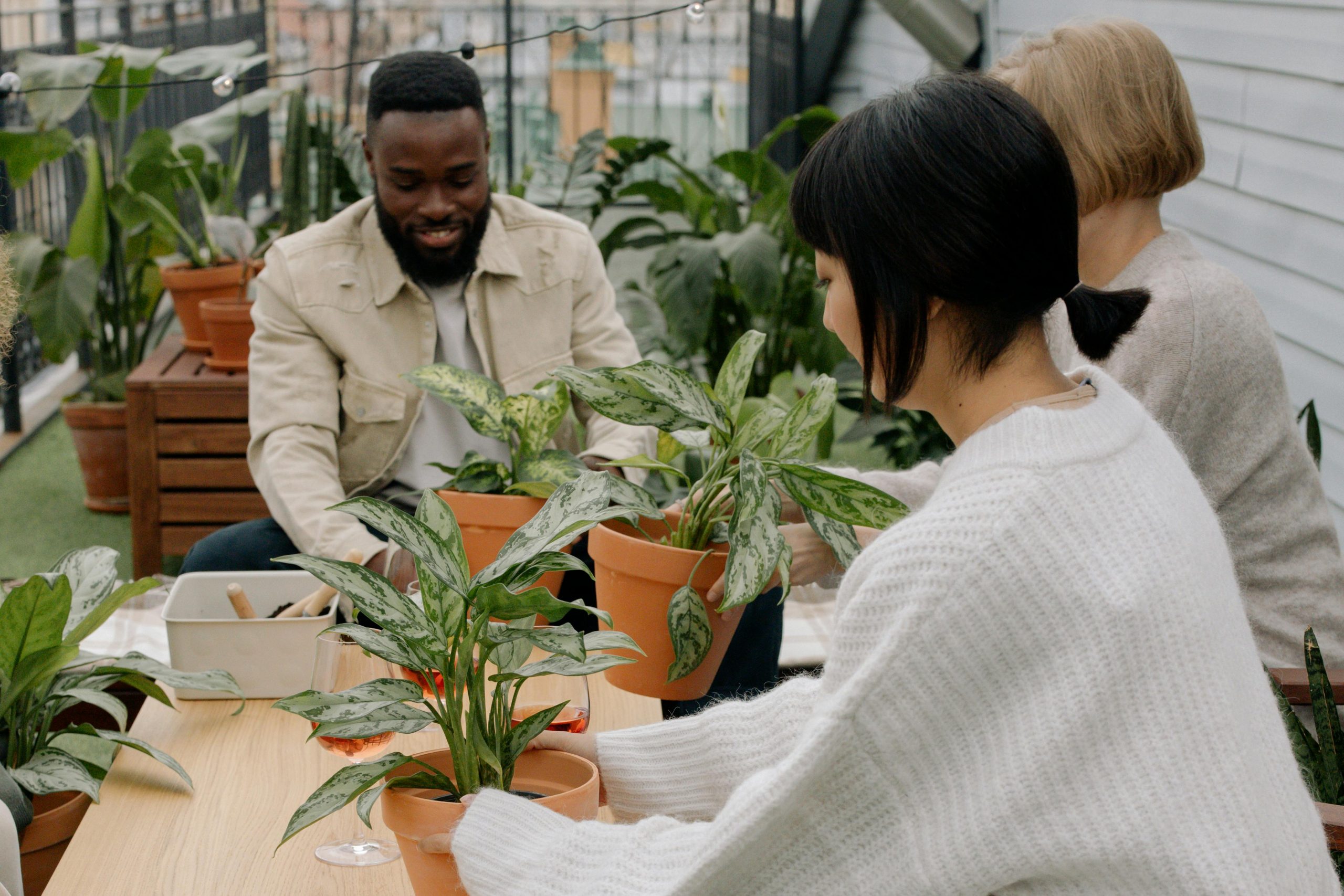
Urban gardens and landscapes face unique challenges. Limited space, compacted soil, higher temperatures, and inconsistent watering can make it harder for plants to thrive. Whether you’re caring for a small backyard garden, street trees, or a commercial landscape, mulching is one of the simplest and most effective ways to protect your investment and keep plants healthy.
Yet many homeowners and property managers still wonder: Is mulching really necessary? How much mulch should I use? And does it actually make a difference in an urban environment? This guide answers those questions and explains why mulching is essential for healthy urban gardens and landscapes.
What Is Mulching and Why Does It Matter?
Mulching involves covering the soil surface with a protective layer of organic or inorganic material. Common options include wood chips, shredded bark, leaves, straw, compost, or even stone and rubber mulch.
In urban settings, mulch does much more than improve curb appeal. It directly supports soil health, plant growth, and long-term landscape sustainability—three things that are often compromised in cities.
1. Mulch Helps Urban Soil Retain Moisture
One of the biggest problems in urban landscapes is rapid moisture loss. Pavement, buildings, and compacted ground cause water to evaporate faster, leaving plants stressed and thirsty.
Mulch acts like insulation for the soil:
-
It slows evaporation by shielding soil from direct sun and wind.
-
It helps rain and irrigation soak in rather than run off.
-
It reduces how often you need to water.
For busy homeowners or property managers, this means healthier plants with less maintenance and lower water bills—especially during hot summer months.
2. Weed Control Without Chemicals
Weeds are more than just an eyesore. They compete with plants for water, nutrients, and space—something urban landscapes already lack.
A properly applied layer of mulch:
-
Blocks sunlight that weed seeds need to germinate.
-
Makes it easier to pull any weeds that do appear.
-
Reduces the need for chemical herbicides.
For families, pet owners, and environmentally conscious gardeners, mulching offers a safer, more natural way to keep landscapes under control.
3. Mulch Improves Soil Health Over Time
Urban soil is often poor-quality fill dirt with little organic matter. This leads to compacted ground, weak root systems, and poor drainage.
Organic mulches gradually break down, adding nutrients back into the soil. Over time, this:
-
Improves soil structure and aeration.
-
Encourages beneficial microorganisms and earthworms.
-
Creates healthier root zones for plants and trees.
Think of mulch as a long-term investment in your soil—not just a surface-level solution.
4. Temperature Regulation for Plant Roots
City environments are notorious for temperature extremes. Heat reflects off concrete and asphalt, baking plant roots during the day, while nights can cool quickly.
Mulch helps stabilize soil temperatures by:
-
Keeping roots cooler in summer.
-
Providing insulation against sudden cold snaps.
-
Reducing freeze-thaw cycles that can damage roots in winter.
This temperature buffering is especially important for newly planted trees, shrubs, and perennials that haven’t established deep root systems yet.
5. Protects Plants From Urban Stress and Damage
Urban landscapes face constant stress—from foot traffic and pets to wind and pollution. Mulch provides a protective barrier that helps reduce damage.
Benefits include:
-
Preventing soil compaction from rain or foot traffic.
-
Reducing erosion on slopes and in high-traffic areas.
-
Keeping soil from splashing onto leaves, which can spread disease.
For commercial properties and residential yards alike, mulching helps landscapes look better and stay healthier under daily wear and tear.
6. Enhances Curb Appeal and Property Value
Healthy landscapes aren’t just functional—they’re visual assets. Mulch gives garden beds a clean, finished appearance that instantly improves curb appeal.
A well-mulched landscape:
-
Makes plants stand out.
-
Creates visual contrast and uniformity.
-
Signals that a property is well cared for.
This is especially important for urban homes, rental properties, and businesses where first impressions matter.
7. Saves Time and Reduces Maintenance Costs
Many people skip mulching because they see it as an extra chore. In reality, it saves time in the long run.
With mulch in place, you’ll spend less time:
-
Watering
-
Weeding
-
Replacing struggling plants
For larger properties or busy homeowners, using professional mulch delivery services in Columbus can make the process easier and ensure the right materials are applied efficiently and correctly.
Common Mulching Questions (Answered)
How thick should mulch be?
Most garden beds benefit from 2–3 inches of mulch. Around trees, keep mulch a few inches away from the trunk to prevent rot.
What type of mulch is best for urban gardens?
Organic mulches like wood chips or shredded bark are ideal for most landscapes because they improve soil health over time.
When is the best time to mulch?
Spring and fall are ideal, but mulching can be done any time as long as soil conditions are right.
Can too much mulch be harmful?
Yes. Over-mulching can trap excess moisture and restrict airflow. Proper depth and placement are key.
Final Thoughts: Mulching Is a Small Step With Big Benefits
Mulching is one of the simplest ways to solve many common urban gardening problems—dry soil, weeds, stressed plants, and high maintenance demands. It supports healthier soil, stronger plants, and more attractive landscapes year-round.
Whether you manage a small backyard garden or a larger urban property, making mulching part of your regular landscape care routine is a smart, people-first decision. With the right materials and proper application, mulch doesn’t just improve how your garden looks—it helps it thrive where it matters most: below the surface.