
Maintaining a healthy landscape requires a strategic approach to managing invasive plants. Whether you are tending to a residential lawn or managing large-scale agricultural acreage, understanding the mechanics of weed control is the first step toward a thriving environment.
What Is Weed Killer (Herbicide)?
A weed killer, scientifically known as an herbicide, is a chemical or biological substance specifically designed to manipulate or terminate the growth of unwanted plants. These substances target specific biological processes within the weed—such as photosynthesis or cell division—to ensure the plant can no longer compete with your desired vegetation for resources.
Modern herbicides are sophisticated. They are formulated to interact with plant enzymes and hormones, often mimicking growth regulators to “trick” the plant into growing itself to death or simply shutting down its ability to process sunlight. Without these tools, global food production and local landscaping would be significantly more labor-intensive and less productive.
Why Weed Control Matters
Weeds are more than just an aesthetic nuisance; they are aggressive competitors. They rob your grass, flowers, and crops of essential nutrients, water, and sunlight. If left unchecked, invasive species can choke out native plants, harbor pests and diseases, and significantly reduce the yield of a garden or farm.
Beyond competition, weeds can damage infrastructure by cracking pavement or clogging drainage systems. In a lawn environment, weeds create an uneven texture and color, reducing property value. Effective control ensures that your primary plants have the “room to breathe” and the resources they need to reach full maturity.
Types of Weed Killers
Not all herbicides are created equal. Choosing the wrong type can result in the accidental destruction of your entire garden. Understanding these four primary categories is vital for any successful application.
Selective Herbicides
Selective herbicides are engineered to target specific botanical groups while leaving others unharmed. A common example is a broadleaf weed killer used on lawns; it will kill dandelions and clover but leave the surrounding turfgrass untouched. This is the preferred choice for established landscapes where you want to eliminate the “bad” plants without harming the “good” ones.
Non-Selective Herbicides
These are “all-purpose” killers. A non-selective herbicide will terminate almost any green plant it touches. These are typically used for clearing driveways, fence lines, or preparing a completely fresh plot of land where no existing vegetation needs to be saved. Because they are indiscriminate, they must be applied with extreme precision to avoid “drift” onto nearby flowers or trees.
Pre-Emergent Herbicides
Prevention is the goal here. Pre-emergents are applied to the soil before weed seeds germinate. They create a chemical barrier in the top layer of soil that stops the seed from successfully sprouting. These are highly effective against annual weeds like crabgrass, but they must be timed perfectly—usually in early spring before the soil warms up.
Post-Emergent Herbicides
These are applied directly to weeds that are already visible and growing. Most household weed killers fall into this category. They are designed to attack the plant’s current life cycle, entering through the leaves or the stem. They work best when the weed is young and actively growing, rather than old and hardened off.
How Weed Killers Work
The “mode of action” determines how the chemical travels through the plant and how quickly you will see results.
Contact Herbicides
Contact herbicides only kill the parts of the plant they physically touch. They are often described as “chemical mowers” because they burn the foliage but may not reach the roots. These work very quickly—often within hours—but are best used on small annual weeds. If used on a perennial with a deep taproot, the plant will likely grow back from the base.
Systemic Herbicides
Systemic herbicides are absorbed through the leaves or roots and then translocated throughout the entire plant’s vascular system. This means the chemical travels down to the very tip of the root, ensuring the weed cannot grow back. While these take longer to work (often 7 to 14 days), they are the only effective way to kill tough perennial weeds like thistle, poison ivy, or brambles.
Common Active Ingredients in Weed Killers
Understanding the label is a hallmark of an expert. Different active ingredients serve different purposes and have different safety profiles:
- Glyphosate: A powerful non-selective, systemic herbicide used for total vegetation control. It is highly effective but must be used where you want nothing to grow.
- 2,4-D: A classic selective herbicide developed in the 1940s that targets broadleaf weeds without hurting most types of grass.
- Dicamba: Often mixed with 2,4-D to increase effectiveness against stubborn, woody weeds or vines. It is known for being highly mobile in the soil.
- Quinclorac: Often found in lawn products specifically designed to target escaped crabgrass that pre-emergents missed.
How to Choose the Right Weed Killer
Selection should never be impulsive. You must match the product to your specific environment and the “enemy” you are fighting.
Based on Weed Type
Identify if you are dealing with broadleaf weeds (like dandelions or chickweed), grassy weeds (like crabgrass or foxtail), or woody brush (like wild berries or saplings). Using a broadleaf killer on a grassy weed will result in zero control and wasted money.
Based on Area (Lawn, Garden, Agriculture)
A product safe for a specialized agricultural crop might be far too potent for a residential lawn. Always check the “Site of Application” on the label. For example, some herbicides stay active in the soil for months, which is fine for a gravel driveway but would be a disaster for a vegetable garden where you plan to plant seeds next month.
Safety and Environmental Considerations
If you have pets or children, look for products with shorter “re-entry intervals” (the time you must wait before walking on the grass). Additionally, consider the volatility of the product—some chemicals can turn into a gas on hot days and drift onto your neighbor’s property, causing unintended damage.
How to Use Weed Killer Safely and Effectively
Application is where most beginners fail. Following a professional protocol ensures the chemical goes where it is supposed to and nowhere else.
Preparation Before Application
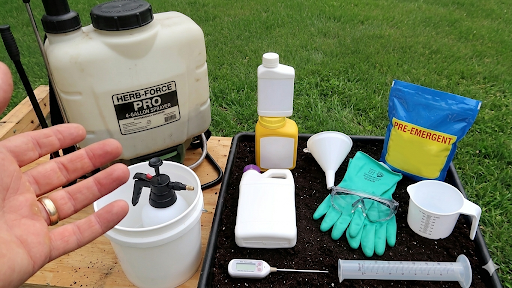
Check the weather forecast meticulously. You need a calm, dry day. Rain within 24 hours can wash the chemical away into the groundwater, while wind can cause dangerous “drift.” Wear the proper personal protective equipment (PPE), including long sleeves, pants, and chemical-resistant gloves. Never spray in flip-flops or shorts.
Application Methods
- Spot Treatment: Using a handheld sprayer to target individual weeds. This is the most targeted and environmentally friendly method.
- Broadcast Spraying: Using a backpack or tow-behind sprayer for large areas where weeds are dense.
- Granular Application: Using a spreader to drop dry pellets. This is often combined with fertilizer (weed and feed) and requires the grass to be wet so the granules stick to the weed leaves.
Post-Application Care
Keep all traffic—including pets—off the treated area until the product is completely dry. If you used a systemic killer, do not pull or mow the weed immediately. The plant needs to stay “alive” for at least 48 hours to fully transport the chemical down to its root system.
Best Time to Apply Weed Killer
Timing is the difference between success and failure.
- Spring: The best time for pre-emergents to stop seeds before they wake up.
- Fall: Actually the best time for systemic killers on perennials. As the weather cools, plants move nutrients down to their roots for winter, taking the herbicide with them for a “deep kill.”
- Avoid Heat: Do not apply when temperatures exceed 85°F (29°C). Most weeds will shut down their pores to save water, meaning they won’t absorb the chemical, and the grass is more likely to be stressed or burned by the herbicide.
Safety Guidelines When Using Herbicides
Always treat herbicides with the respect they deserve. Store them in their original containers with the labels intact. Never pour leftover chemicals down a drain or into a storm sewer, as this leads directly to water contamination. If you have a spill, use kitty litter or sand to soak it up rather than hosing it down into the soil.
Organic and Natural Weed Control Alternatives
For those who prefer a chemical-free approach, several options can be effective:
- Horticultural Vinegar (Acetic Acid): A natural contact killer that burns top growth. It is very acidic and requires caution.
- Boiling Water: An effective way to kill weeds in sidewalk cracks without chemicals.
- Corn Gluten Meal: A natural pre-emergent byproduct that can inhibit some seed growth while providing a small amount of nitrogen.
- Mulching: The most effective organic method. Smothering weeds with 3 inches of wood chips or straw blocks the sunlight they need to survive.
Environmental Impact of Weed Killers
Overuse or improper use of herbicides can lead to runoff, where chemicals enter local streams and harm aquatic life. It can also lead to “herbicide resistance,” where weeds evolve to survive the chemicals, much like bacteria becoming resistant to antibiotics. Using the minimum effective dose and rotating your methods (integrated pest management) is the best way to be a responsible steward of the land.
Common Mistakes to Avoid
- Over-application: “More” is not better; it increases the risk of runoff and soil toxicity.
- Mowing too soon: Don’t mow for at least 2 days before or after spraying. You need maximum leaf surface area to catch the spray.
- Ignoring the Label: The label is a legal document. Ignoring it can result in legal liability and environmental harm.
Weed Killer vs Manual Weeding
Manual weeding is ideal for small gardens or sparse weeds. It provides instant results and leaves a zero chemical footprint. However, for deep-rooted perennials like Canada Thistle, hand-pulling frequently leaves root fragments behind that quickly regrow. In these cases, a targeted systemic herbicide is often more effective at permanently removing the plant.
How Long Does Weed Killer Take to Work?
- Contact Killers: You will see visible wilting or browning in 1 to 4 hours.
- Systemic Killers: Expect to see yellowing in 3 to 5 days, with total plant death in 10 to 14 days.
- Pre-emergents: The results are invisible; success is simply the absence of new weeds throughout the season.
Final Takeaway
Expert weed control is about strategy, not just strength. By identifying your weed type, choosing the correct mode of action, and timing your application with the weather, you can maintain a pristine landscape while minimizing environmental impact. Always read the label—it is the most important tool in your shed.