
Following a significant network upgrade known as The Merge, Ethereum transitioned its consensus mechanism from Proof-of-Work to Proof-of-Stake (PoS). This fundamental shift changed how the network validates transactions and secures the blockchain. Staking is the core process of this PoS system, allowing users to participate directly in network operations and earn rewards in return.
What Is Ethereum Staking?
Ethereum staking is the act of locking up a specific amount of ETH, the network’s native cryptocurrency, to act as a validator. These validators are responsible for maintaining the integrity of the blockchain. In a PoS system, validators replace the energy-intensive miners found in Proof-of-Work systems.
By committing their ETH as collateral, participants gain the right to validate transactions and propose new blocks. This participation helps secure the network against attacks and ensures that all transactions are processed correctly. In exchange for their service, stakers receive rewards in the form of new ETH.
The Mechanics of Staking and Validation
Validators are the backbone of Ethereum’s security. Their primary duties are to process transactions and add new blocks to the blockchain. This is achieved through two main actions: proposing blocks and attesting to the validity of blocks proposed by other validators.
When chosen, a validator bundles a set of transactions into a new block and proposes it to the network. Other validators then check this block and attest that it is valid. This collective agreement ensures the ongoing security and accuracy of the blockchain’s ledger. To become a validator, a user must run specific software and stake their ETH, which acts as a promise to perform these duties honestly.
Potential Rewards from Staking
Participants in Ethereum staking are compensated for their contributions to network security. These rewards are generated from several sources, creating a yield for those who lock up their ETH.
The Annual Percentage Rate (APR) for staking can vary. It is influenced by the total amount of ETH staked on the network; as more ETH is staked, the reward rate per validator generally decreases. Rewards primarily come from:
- Consensus Layer Rewards: The protocol issues new ETH to incentivize validators for their work in securing the network.
- Execution Layer Rewards: These include transaction priority fees paid by users to have their transactions processed more quickly.
- Maximal Extractable Value (MEV): Validators can earn additional income by optimizing the order of transactions within the blocks they propose.
Exploring Different Ways to Stake ETH
Individuals and institutions can participate in staking through several methods. Each approach offers different trade-offs regarding technical requirements, investment minimums, and control.
Solo Staking
Solo staking involves running your own validator node. This method provides the most direct participation in the network. It requires a deposit of 32 ETH, along with the technical expertise to set up and maintain the necessary hardware and software. Solo stakers need a stable, high-bandwidth internet connection to avoid penalties.
This approach offers full control over keys and operations. It also yields the highest potential returns, as no fees are paid to third-party providers. However, it carries the highest level of responsibility and risk, as downtime or errors can lead to financial penalties.
Staking-as-a-Service (SaaS)
Staking-as-a-Service providers manage the technical complexities of running a validator on behalf of a staker. Users still need to provide the required 32 ETH, but the provider handles all operational duties. This service is ideal for those who lack the technical skills or time to manage a node themselves.
Many SaaS providers offer non-custodial solutions. This allows users to delegate validator duties while retaining control of their withdrawal keys, preventing the provider from accessing the underlying funds. In exchange for their services, these providers typically charge a fee, which is a percentage of the staking rewards.
Pooled and Exchange Staking
For those who do not have 32 ETH, pooled staking offers a way to participate. Staking pools and centralized exchanges allow multiple users to combine their funds to meet the minimum requirement. Participants can stake small amounts of ETH and earn a proportional share of the rewards.
Centralized exchanges offer a user-friendly experience but are custodial, meaning the exchange holds the user’s private keys. Decentralized staking pools also exist, offering a non-custodial alternative. These methods lower the barrier to entry but usually involve service fees that reduce net rewards.
Liquid Staking
Liquid staking platforms provide a unique solution to the illiquidity of staked ETH. When users deposit ETH, they receive a tradable token, known as a liquid staking token (LST), that represents their staked assets. This LST can be traded or used in other decentralized finance (DeFi) applications.
This method allows stakers to earn rewards while their capital remains accessible. Most liquid staking solutions are non-custodial and operate via smart contracts. The value of an LST can accrue rewards either through an increasing token balance (rebasing) or a rising price.
Understanding the Risks of Staking Ethereum
While staking is an attractive way to earn passive income, it comes with several risks that participants should understand before committing their funds.
Technical and Protocol Risks
Validators face penalties for failing to perform their duties correctly. Slashing is the most severe penalty, where a validator can lose a portion of their staked ETH for malicious actions, such as signing conflicting blocks. Less severe downtime penalties are applied if a validator is offline and unable to participate in consensus. Furthermore, liquid staking platforms introduce smart contract risk, where a bug could lead to a loss of funds.
Financial and Market Risks
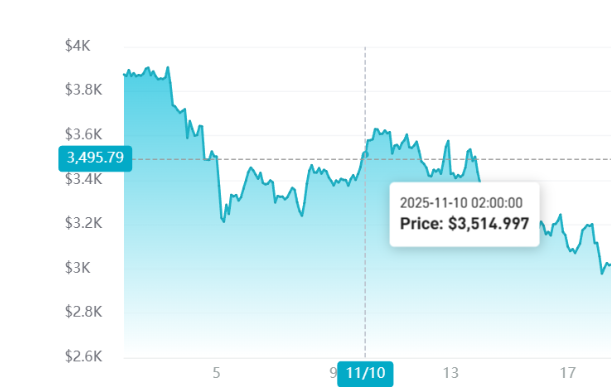
The primary financial risk is market volatility. The value of staked ETH and the rewards earned can decrease significantly. The current ethereum price usd directly impacts the dollar-denominated value of a staker’s holdings. Another concern is liquidity risk; although withdrawals are now enabled post-upgrade, they are subject to an exit queue that can cause delays.
Counterparty and Custodial Risks
When using a third-party service like a centralized exchange or staking provider, users are exposed to counterparty risk. This includes the possibility of the platform being hacked, becoming insolvent, or mismanaging funds. Non-custodial staking methods help mitigate this risk by allowing users to retain control of their private keys.