
Overview: Asylum Policy Overhaul at the Centre of the Debate
The UK government under Prime Minister Sir Keir Starmer and Home Secretary Shabana Mahmood has launched what officials call the most significant overhaul of the asylum and migration system in modern times. The changes aim to reshape how refugees and asylum seekers are treated, reviewed, supported, and eventually integrated into British society — but critics argue many elements are too harsh and risk undermining human rights and social cohesion. (GOV.UK)
Key components include:
Temporary Refugee Status
Refugees will no longer receive an automatic five-year grant of leave and a clear path to settlement. Instead, protection under a new “core protection” system will be limited to 30 months and then reviewed to decide whether someone still needs asylum. (GOV.UK)
Longer Path to Settlement
The wait for permanent settlement (Indefinite Leave to Remain) will be extended significantly — potentially up to 20 years — unless refugees transition to alternative legal routes involving work or study. (GOV.UK)
Reduced Entitlements and Discretionary Support
Financial support and accommodation for those seeking asylum may become less automatic, with greater discretion for the Home Office to refuse assistance in some cases. (Richmond Chambers)
Tougher Enforcement
The government plans expanded powers to remove people whose asylum claims are refused, including offering financial incentives for voluntary departure but also pursuing enforced returns. (Richmond Chambers)
Why This Is Triggering a Heated Debate
1. Internal Political Tension
There are growing divisions within the governing Labour Party itself over these proposals:
- Angela Rayner — former deputy prime minister and a senior Labour figure — has publicly attacked the settlement extension plans as “un-British” and criticized them for harming migrant families and workers. Her stance has attracted support from over 100 Labour MPs, reflecting deep internal dissent. (Financial Times)
- This internal pressure has even sparked leadership speculation, with opponents of the policy suggesting it undermines party values and risks electoral damage. (Financial Times)
- In response to criticism, Downing Street officials have indicated potential “transitional arrangements” for migrants already in the UK, though the government remains committed to the core reforms. (The Times)
2. Public and Civil Society Reaction
Civil society groups — including religious leaders from multiple faiths — have publicly urged the government to slow down and rethink parts of the refugee plan. They warned that making refugee status temporary and removing settlement prospects could harm long-term social cohesion and integration. (The Guardian)
At the same time, critics including UN experts have warned that certain migration agreements (like the UK-France “one-in, one-out” asylum return scheme) risk violating human-rights law without proper legal safeguards. (VisaHQ)
3. Political Competition and Populism
Tougher immigration pledges have added fuel to political competition across the UK:
- Parties like Reform UK, led by Nigel Farage, have gained support in opinion polls by promising aggressive deportation targets and sweeping anti-immigration measures — forcing mainstream parties to respond on migration issues. (Reuters)
- Although the former Rwanda asylum deal was scrapped by the Labour government, legal and financial disputes continue between the UK and Rwanda over its cancellation, adding further complexity to the debate. (AP News)
4. Operational Challenges and Border Security Frustrations
The UK’s actual border and asylum enforcement has faced its own pressures:
- The senior official leading small-boat migrant response resigned amid frustrations over policy implementation, limited progress on returns under the UK-France scheme, and the volume of crossings — highlighting real operational headaches behind the political rhetoric. (The Times)
Expert Commentary – What This Tension Reveals
1. Balancing Control and Compassion
The government aims to address public concerns about irregular migration and backlogs in asylum processing. However, critics argue that a policy focus on deterrence — such as temporary status and lengthy settlement waits — risks undermining the UK’s humanitarian obligations and community integration outcomes. (GOV.UK)
2. Political Risks for Labour
Labour, historically seen as more progressive on migration, now finds itself under pressure to demonstrate control over immigration numbers without alienating its core supporters. This balancing act creates internal and external political strain. (Financial Times)
3. Legal and Human Rights Tightrope
In tightening the asylum framework, the UK must also navigate complex international human-rights commitments. Schemes like the UK-France agreement have attracted international scrutiny, and further reforms may face legal challenges if not carefully designed. (VisaHQ)
4. Broader Migration Context
The UK’s approach mirrors wider European debates — with other countries also pushing tougher asylum controls — but reflects a uniquely British legislative and political landscape. (Wikipedia)
In Summary
The UK migration debate has become one of the most intense political issues of the moment. A sweeping asylum policy overhaul promises temporary refugee status, longer settlement requirements, and stricter enforcement — but has triggered:
- Political infighting within Labour
- Civil society and religious sector pushback
- International human-rights concerns
- Heightened competition from populist parties
As the government moves forward with its plans, the debate is likely to remain central to UK politics — affecting elections, legal challenges, and public attitudes toward migration policy. (commonslibrary.parliament.uk)
Below is a clear, structured “Case Studies + Expert Commentary” analysis of the headline:
UK Migration Debate Intensifies Amid Asylum Policy Overhaul Plans — Case Studies & Comments
The UK’s migration debate is heating up as the government pushes ahead with major asylum reforms. These reforms include temporary protection status, longer settlement timelines, expanded removal powers, and changes to refugee entitlements. The result is a wave of political, legal, and civic pushback.
Here are the most relevant case studies, grounded in real policy developments and real reactions.
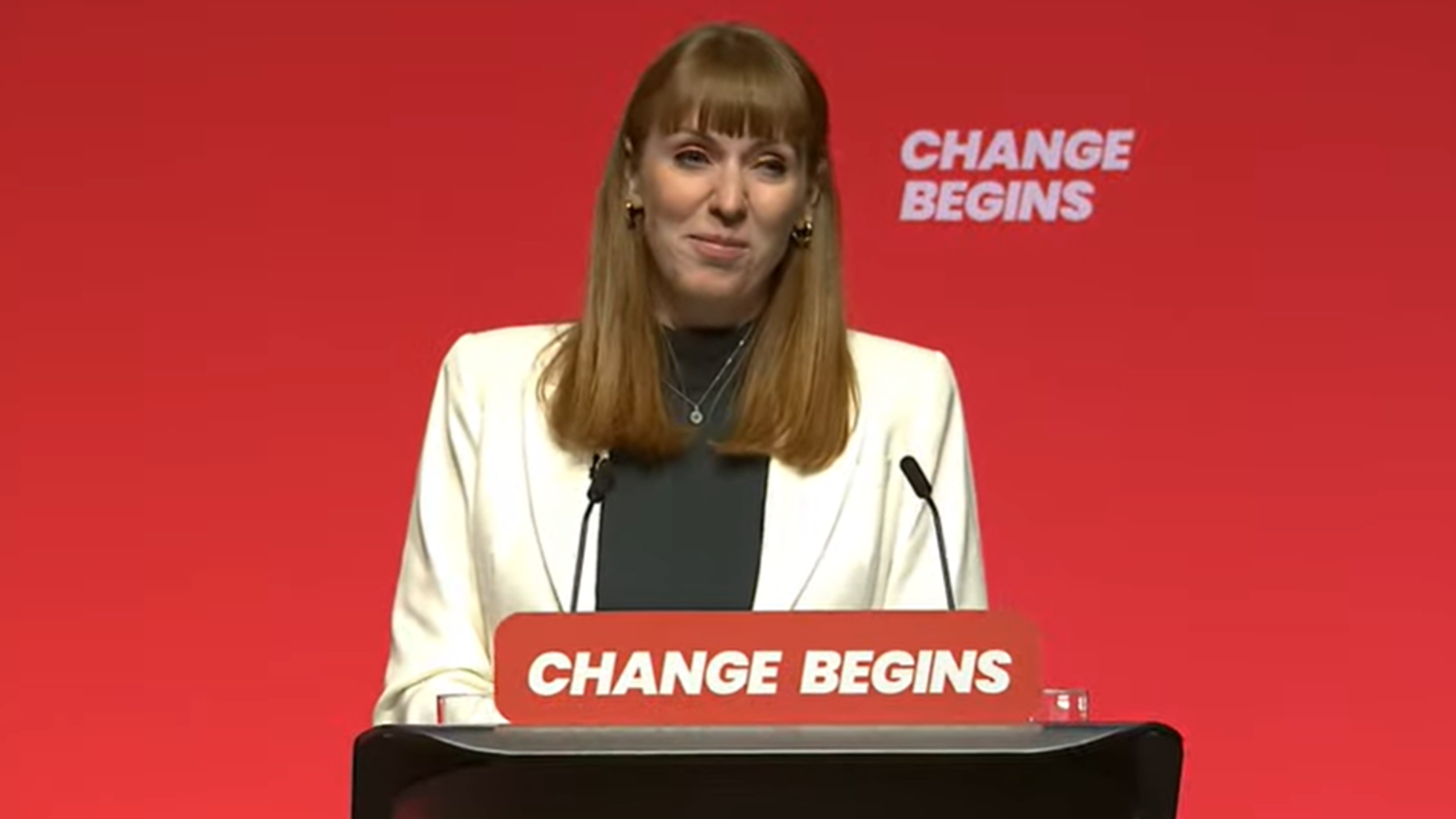
CASE STUDY 1 — Labour Party Internal Revolt Over Settlement Rules


What Happened
- The government announced that refugees will only receive 30-month temporary protection, instead of a 5-year grant.
- Paths to permanent settlement may stretch up to 20 years, unless migrants qualify through work routes.
- This sparked backlash from senior Labour figures.
The most vocal critic:
Angela Rayner, who condemned the policy as “un-British”.
She was joined by 100+ Labour MPs, forming one of the biggest internal rebellions of the Starmer era.
Why It Matters
- The governing party is split on a core moral and ideological issue.
- The rebellion shows Labour cannot rely on quiet unity on migration — it is a value-based battle, not merely administrative.
Expert Comment
This is one of the clearest signs that migration is now Labour’s most divisive domestic issue. The leadership wants to appear tough and “in control,” while the party’s social-democratic wing views these changes as harsh and politically unnecessary.
CASE STUDY 2 — Religious Leaders Intervene With Public Letter


What Happened
A coalition of religious leaders — including senior Anglican, Catholic, Muslim, Jewish, Sikh figures — publicly urged the government to slow down the asylum overhaul.
Their concerns:
- Temporary protection undermines long-term integration
- Uncertainty harms children and families
- Policies may violate UK humanitarian traditions
Why It Matters
- Faith leaders rarely intervene so aggressively in migration debates.
- Their letter legitimises concerns beyond politics and positions the reforms as a moral issue, not just a policy question.
Expert Comment
When multi-faith leadership intervenes, it signals the issue has left the political sphere and entered a societal ethics debate. This increases the pressure on the Home Office to justify the changes beyond electoral considerations.
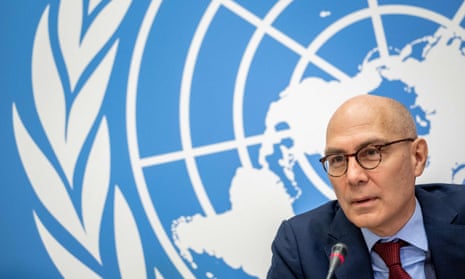
CASE STUDY 3 — UN and Legal Experts Challenge the UK–France Return Scheme


What Happened
The UN warned that the “one-in, one-out” UK–France asylum return deal could violate international law without:
- adequate review safeguards
- clear criteria for who is returned
- assurances of safety
- compliance with refugee rights
Legal experts added that it may expose the UK to litigation in both domestic courts and the European Court of Human Rights.
Why It Matters
- This adds international pressure on the UK at a time when asylum policy is under intense domestic scrutiny.
- Human-rights challenges could weaken or delay the reform timeline.
Expert Comment
The UK is trying to tighten controls while still operating within global refugee frameworks — a difficult balance. Legal experts describe this as “policy built on thin ice”: politically attractive, but vulnerable in courts.
CASE STUDY 4 — Operational Strains: “Small Boats” Chief Resigns



What Happened
The senior official leading the UK’s small-boat migration response resigned, citing:
- frustration with the pace of policy implementation
- limited progress on returns
- lack of clear government strategy
- operational strain on border agencies
This resignation happened just as asylum reform legislation moved forward.
Why It Matters
- It reveals internal system stress, not just political conflict.
- Enforcement gaps undermine the credibility of tougher asylum rules.
- The government faces a mismatch between policy ambition and operational capacity.
Expert Comment
Policies can be tough on paper but ineffective without infrastructure. His departure underscores that the UK’s migration debate is not purely ideological — it’s also an administrative crisis.
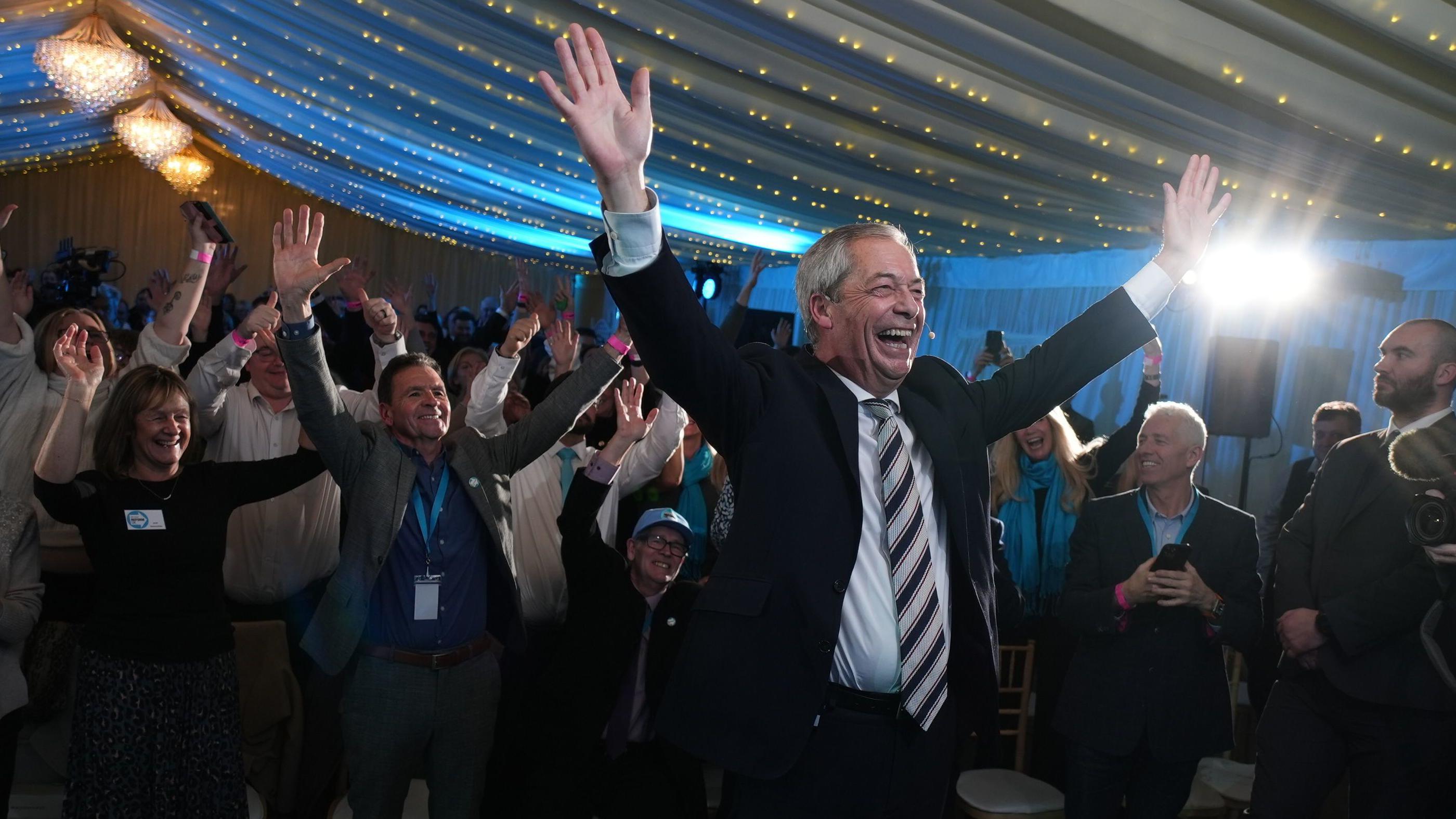
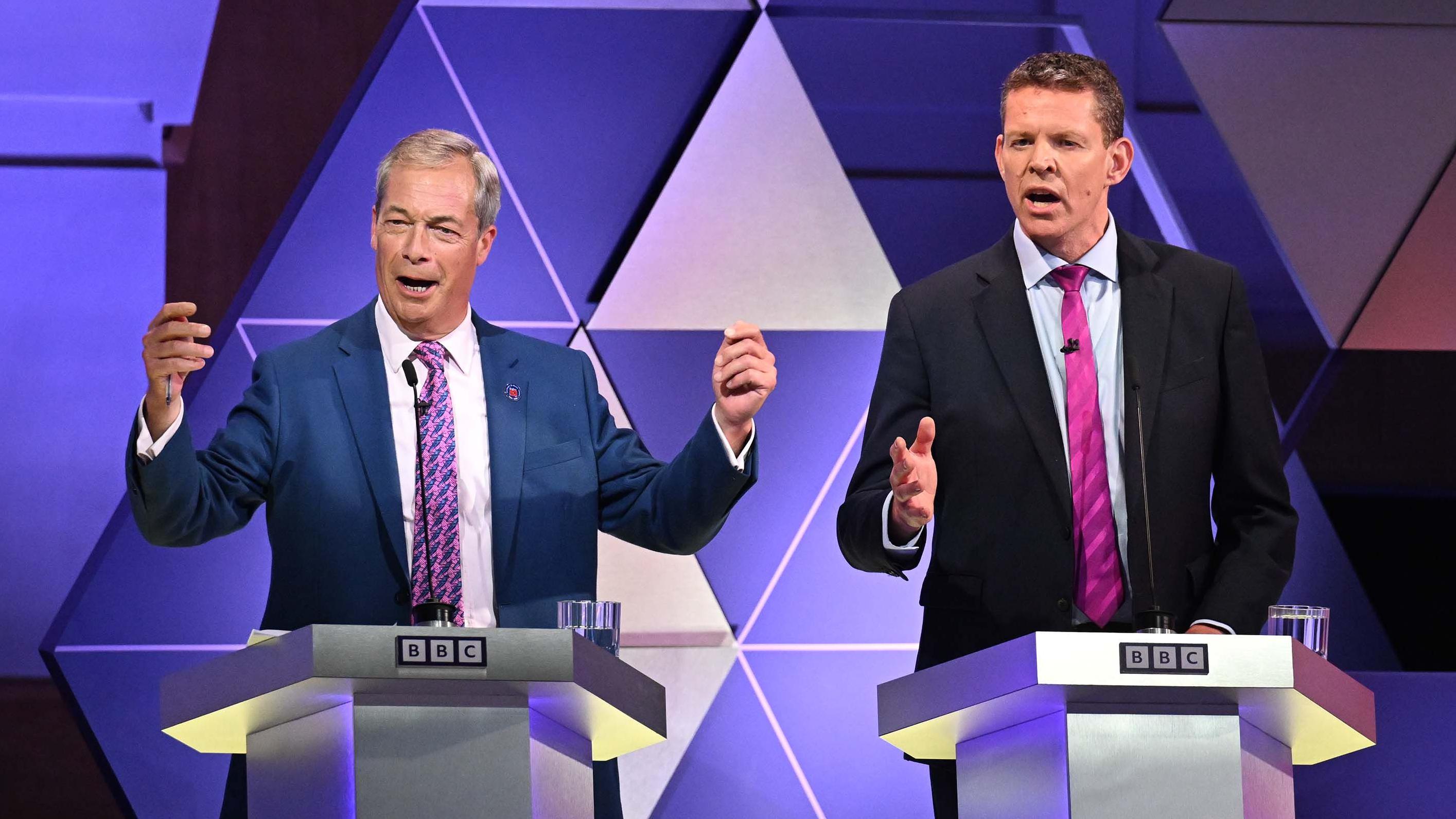
CASE STUDY 5 — Rise of Reform UK and Populist Pressure

What Happened
Reform UK, led by Nigel Farage, surged in polls by:
- demanding mass deportations
- attacking Labour’s reforms as “too soft”
- pushing anti-immigration nationalism
- promising to “take back the border”
This has shifted debate terrain rightward, pressuring Labour to appear more strict.
Why It Matters
- Populist pressure is shaping even the ruling party’s policy direction.
- Both major parties now fear being labelled “weak on immigration”.
Expert Comment
Labour’s asylum overhaul is largely a political response to the rise of Reform UK. The centre-left now competes with the populist right on migration toughness — a dramatic shift from past Labour rhetoric.
Overall Commentary — What These Case Studies Reveal
1. The Migration Debate Is Fuelled by Three Clashes
- Political: Internal Labour divides vs. populist right pressure
- Legal: UN scrutiny and human-rights considerations
- Operational: Enforcement systems strained and under-resourced
2. The UK Is Attempting a “Middle Way,” but It’s Satisfying Nobody
- Too strict for Labour’s progressive wing and civil-society groups
- Too soft for Reform UK and anti-immigration voters
- Too vague and complex for border agencies to execute efficiently
3. Temporary Refugee Status Is the Most Controversial Reform
It impacts:
- long-term stability of families
- integration
- mental health
- schooling for children
- citizenship pipelines
- economic contributions
This is why it attracts cross-sector opposition.
4. The Debate Will Intensify Further
Expect:
- new legal challenges
- possible amendments
- stronger party infighting
- escalating media attention
- further resignations or whistleblowers within Home Office operations
Migration is becoming the dominant political battleground in the UK — more polarizing than the economy, defence, or healthcare.