
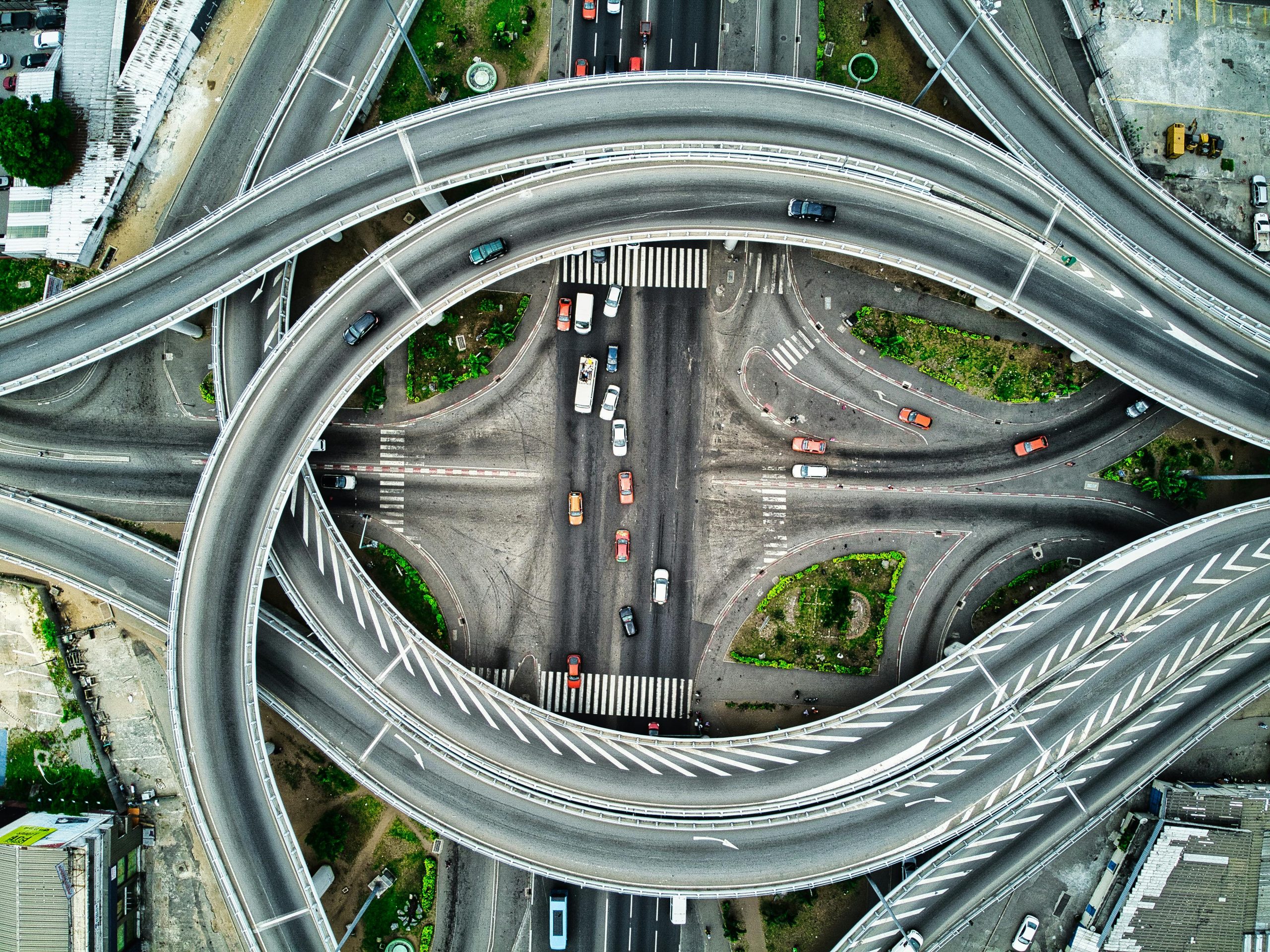
When people think about highway accidents, they often focus on driver behavior—speeding, distracted driving, or impaired driving. While human error is a major factor, road design itself plays a powerful role in highway safety. The way a highway is engineered can either reduce risks or unintentionally increase the likelihood of serious crashes.
Understanding how road design affects safety helps drivers make informed decisions, encourages smarter infrastructure planning, and highlights why some accidents occur even when drivers believe they were being careful. Here’s what every driver should know about the connection between highway design and accident prevention.
Why Road Design Matters More Than You Think
Highways are built to move traffic efficiently at high speeds. But even small design flaws can have serious consequences when vehicles are traveling at 60 to 80 miles per hour.
Road design influences:
-
Driver visibility
-
Reaction time
-
Traffic flow
-
Vehicle control
-
Crash severity
Well-designed highways reduce confusion, improve sight distance, and guide drivers safely through curves, merges, and interchanges. Poor design, however, can create unexpected hazards that increase accident risk.
Dangerous Curves and Poor Visibility
Sharp curves, blind hills, and limited sight distance are common contributors to highway crashes.
When drivers cannot see what’s ahead—such as stopped traffic, debris, or a merging vehicle—their reaction time is dramatically reduced. This is especially dangerous at high speeds.
Common design-related visibility issues:
-
Curves without proper banking (superelevation)
-
Hills that block forward visibility
-
Insufficient lighting at night
-
Overgrown vegetation blocking signage
If curves are not engineered correctly, vehicles can lose traction or drift into adjacent lanes, particularly in wet or icy conditions.
Confusing Interchanges and Exit Ramps
Highway interchanges are among the most complex traffic environments. When signage is unclear or lanes shift unexpectedly, drivers may hesitate or make sudden maneuvers.
Poor interchange design can lead to:
-
Sudden braking
-
Last-minute lane changes
-
Wrong-way driving
-
Rear-end collisions
Short merge lanes are another major concern. When drivers don’t have enough distance to safely enter highway traffic, side-impact and rear-end crashes become more likely.
Narrow Lanes and Lack of Shoulders
Highways with narrow lanes or limited shoulder space increase accident risk, especially for large trucks and buses.
Shoulders serve important safety functions:
-
Emergency stopping areas
-
Space for disabled vehicles
-
Recovery space if a driver drifts off the road
Without adequate shoulders, minor driver mistakes can quickly escalate into serious crashes.
Poor Drainage and Road Surface Conditions
Water pooling on highways significantly increases the risk of hydroplaning. Effective drainage design is critical for maintaining traction during heavy rain.
Design-related hazards include:
-
Inadequate slope for water runoff
-
Potholes or uneven pavement
-
Worn road markings
-
Insufficient skid resistance
When roads are poorly maintained or constructed without proper drainage planning, accident rates often rise during adverse weather conditions.
Inadequate Signage and Markings
Clear signage and visible lane markings help drivers anticipate changes ahead. When signs are poorly placed, faded, or obstructed, confusion increases.
Effective highway design includes:
-
Advance warning signs before curves or exits
-
Reflective lane markings for nighttime visibility
-
Clear speed limit postings
-
Properly spaced directional signage
Drivers rely on visual cues to make split-second decisions. When those cues are unclear, mistakes happen.
Work Zones and Temporary Traffic Patterns
Construction zones create unique hazards. Temporary lane shifts, reduced speed limits, and narrowed roadways require extra attention.
However, poorly planned work zones can:
-
Increase congestion
-
Cause abrupt stops
-
Create unclear merging patterns
Highway construction areas must be carefully designed to balance traffic flow and worker safety.
The Legal Impact of Poor Road Design
When an accident occurs, many people assume driver error is the only factor. However, in some cases, dangerous road design contributes significantly to the crash.
If a highway has a known history of accidents due to visibility issues, unsafe curves, or poor signage, liability may extend beyond the drivers involved.
In complex cases involving serious injuries, victims sometimes consult a lawyer for Chicago freeway accidents to determine whether roadway design or maintenance failures played a role.
Government agencies are responsible for maintaining safe road conditions. However, proving design negligence requires thorough investigation, accident reconstruction, and expert analysis.
Common Questions Drivers Have
Can poor road design really cause accidents?
Yes. Studies consistently show that roadway engineering directly impacts crash rates. Safer design features—like wider lanes and better lighting—are linked to fewer severe accidents.
Who is responsible for dangerous highway conditions?
Typically, state or local government agencies oversee highway design and maintenance. In some cases, private contractors may also share responsibility.
How can drivers protect themselves on poorly designed roads?
While drivers cannot control infrastructure, they can:
-
Reduce speed in unfamiliar areas
-
Increase following distance
-
Stay alert at complex interchanges
-
Avoid distractions
-
Exercise caution in poor weather
Defensive driving becomes especially important when road conditions are less than ideal.
What should I do if I believe road design contributed to my accident?
Document everything:
-
Take photos of the road conditions
-
Note visibility issues or missing signs
-
Obtain a copy of the police report
-
Seek medical attention immediately
Consulting a legal professional can help clarify whether infrastructure factors contributed to the crash.
How Modern Engineering Is Improving Highway Safety
Fortunately, transportation agencies continuously refine design standards to improve safety. Modern highway safety improvements include:
-
Rumble strips to prevent lane departure
-
Median barriers to reduce head-on collisions
-
Improved guardrail systems
-
Better drainage systems
-
Smart traffic monitoring technology
Data-driven design adjustments have helped reduce fatalities in many regions.
Conclusion: Safer Roads Save Lives
Highway safety depends on more than just responsible drivers. Road design plays a critical role in preventing accidents and minimizing crash severity. From curves and merge lanes to signage and drainage, thoughtful engineering can significantly reduce risk.
While drivers should always practice defensive habits, infrastructure matters. Recognizing how road design impacts safety encourages accountability, informed planning, and smarter public policy.
Ultimately, safer highways protect everyone—drivers, passengers, pedestrians, and communities alike. Understanding these factors empowers drivers to stay alert and seek appropriate guidance if infrastructure conditions contribute to an accident.
Road safety is a shared responsibility, and better design saves lives.