
Introduction
The last hundred years have witnessed a remarkable transformation in how electricity is generated and delivered. From small, localized plants producing limited power to massive, highly efficient networks supplying entire nations, the journey of the modern power station reflects the broader story of industrial progress, technological innovation, and environmental awareness. Understanding this evolution helps us appreciate how deeply electricity has become embedded in daily life and how future systems may continue to change.
The Early Era of Power Generation
In the early 20th century, electricity generation was still in its infancy. The first large-scale systems were simple coal-fired plants built near cities or industrial zones. These early facilities were basic in design and efficiency. They burned coal to heat water, producing steam that drove turbines connected to generators.
At this stage, a power station typically served a small geographic area. There was no unified national grid, meaning many towns operated their own isolated systems. Electricity was also expensive and unreliable, available mostly in urban centers and industrial hubs. Despite these limitations, the foundation for modern electrification was laid during this period.
Expansion and Electrification (1920s–1940s)
Between the 1920s and 1940s, electricity demand grew rapidly due to industrial expansion and urbanization. Factories increasingly relied on electric motors, and households began adopting electric lighting and appliances.
During this period, power station technology improved significantly. Larger turbines, better boilers, and improved transmission systems allowed electricity to be distributed over longer distances. The introduction of alternating current (AC) systems made it possible to transmit power efficiently across regions, reducing energy loss.
Governments also began to recognize electricity as a public necessity. Many countries started nationalizing or heavily regulating electricity production to ensure consistent supply and fair pricing. This marked the beginning of centralized electrical grids.
Post-War Industrial Growth (1950s–1970s)
After World War II, global energy demand surged. Rapid industrialization, population growth, and technological development created an urgent need for more reliable and scalable electricity generation.
This era saw the rise of large-scale thermal power stations, primarily fueled by coal, oil, and natural gas. These plants were significantly more powerful than earlier models and were often built near fuel sources or coastal areas for easy transportation access.
Nuclear energy also emerged during this period as a revolutionary technology. Nuclear power stations offered massive energy output with relatively low fuel consumption. Countries like the United States, the United Kingdom, and France invested heavily in nuclear infrastructure, seeing it as the future of clean and efficient energy production.
Hydroelectric power also expanded rapidly. Large dams such as those in the United States and Soviet Union demonstrated the ability of water-based systems to provide consistent, renewable energy on a large scale.
Technological Advancements and Efficiency Improvements (1980s–1990s)
By the 1980s, environmental concerns and fuel efficiency became major considerations in power generation. Older, inefficient plants began to be phased out or upgraded. Engineers focused on improving combustion efficiency, reducing emissions, and increasing output per unit of fuel.
Combined cycle power plants became more common during this time. These facilities used both gas and steam turbines to maximize energy extraction from fuel. This innovation significantly improved efficiency compared to traditional single-cycle plants.
Digital control systems also started to play a role in managing operations. Computerized monitoring allowed operators to optimize performance, reduce downtime, and improve safety. The modern power station was becoming more intelligent and automated.
The Rise of Renewable Energy (2000s–2010s)
The early 21st century marked a major turning point in the global energy landscape. Concerns about climate change, pollution, and fossil fuel dependency led to increased investment in renewable energy sources.
Wind farms, solar parks, and biomass facilities began to supplement traditional energy systems. Unlike conventional plants, renewable energy stations relied on natural resources such as sunlight and wind, making them more sustainable in the long term.
Hydroelectric power remained important, but solar and wind energy experienced the fastest growth. Technological improvements reduced costs and increased efficiency, making renewables more competitive with fossil fuels.
During this time, the concept of distributed generation also gained popularity. Instead of relying solely on large centralized plants, electricity began to be generated closer to where it was consumed, including rooftop solar installations and small-scale wind systems.
Modern Power Stations and Smart Grids (2020s–Present)
Today’s power station is far more advanced than its early predecessors. Modern facilities are highly automated, data-driven, and integrated into complex smart grids. These systems balance electricity supply and demand in real time using artificial intelligence and advanced analytics.
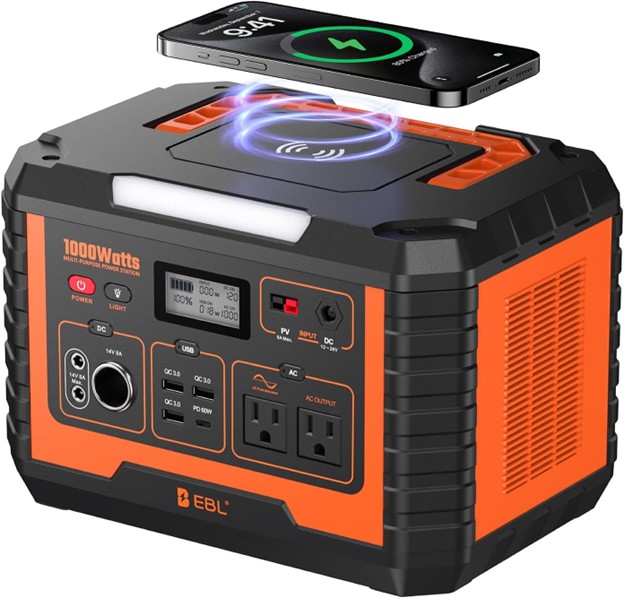
Renewable energy now plays a central role in many countries’ energy strategies. Solar and wind farms are often combined with battery storage systems to address intermittency issues. Energy storage has become a crucial component, allowing excess electricity to be stored and used when demand peaks. Portable energy solutions, including the best portable power station for camping, have also become increasingly popular as people look for reliable off-grid electricity for outdoor and emergency use.
Natural gas plants are still widely used as backup sources due to their flexibility and fast response times. Meanwhile, nuclear energy continues to provide stable, low-carbon electricity in several regions.
Environmental regulations are also much stricter today. Modern power station designs prioritize emissions reduction, water conservation, and overall sustainability. Carbon capture technologies are being tested and implemented to further reduce environmental impact.
The Role of Digitalization and Automation
One of the most significant developments in recent years is the integration of digital technologies. Smart sensors, machine learning algorithms, and remote monitoring systems have transformed how power stations operate.
Predictive maintenance allows operators to identify potential equipment failures before they occur, reducing downtime and improving safety. Real-time data analysis helps optimize fuel usage and improve efficiency across the entire grid.
Cybersecurity has also become a critical concern, as power systems are increasingly connected to digital networks. Protecting infrastructure from cyber threats is now a key priority for energy providers.
Challenges Facing Modern Power Stations
Despite major advancements, the energy sector still faces significant challenges. The transition to renewable energy requires substantial investment in infrastructure and storage technology. Grid stability is another major concern, especially as more intermittent energy sources are introduced.
Developing countries often struggle with outdated infrastructure and limited access to advanced technologies. Meanwhile, developed nations face the challenge of modernizing aging grids while reducing carbon emissions.
Balancing affordability, reliability, and sustainability remains a complex task for policymakers and engineers alike.
The Future of Power Generation
The future of the power station is likely to be more decentralized, intelligent, and sustainable. Emerging technologies such as hydrogen fuel cells, advanced nuclear reactors, and large-scale battery systems may reshape how electricity is produced and consumed.
Artificial intelligence will continue to improve grid management, while automation will reduce human intervention in routine operations. Microgrids and local energy systems will become more common, allowing communities to generate and manage their own electricity.
Ultimately, the goal is a cleaner, more efficient, and more resilient global energy system that can support growing demand while minimizing environmental impact.
Conclusion
Over the last century, the evolution of the power station has been nothing short of extraordinary. From simple coal-fired plants to sophisticated, interconnected smart grids, electricity generation has continuously adapted to meet the needs of society.
As technology continues to advance, the future promises even greater innovation. The journey of power generation reflects humanity’s ongoing pursuit of progress, efficiency, and sustainability, ensuring that electricity remains a driving force behind modern civilization.