
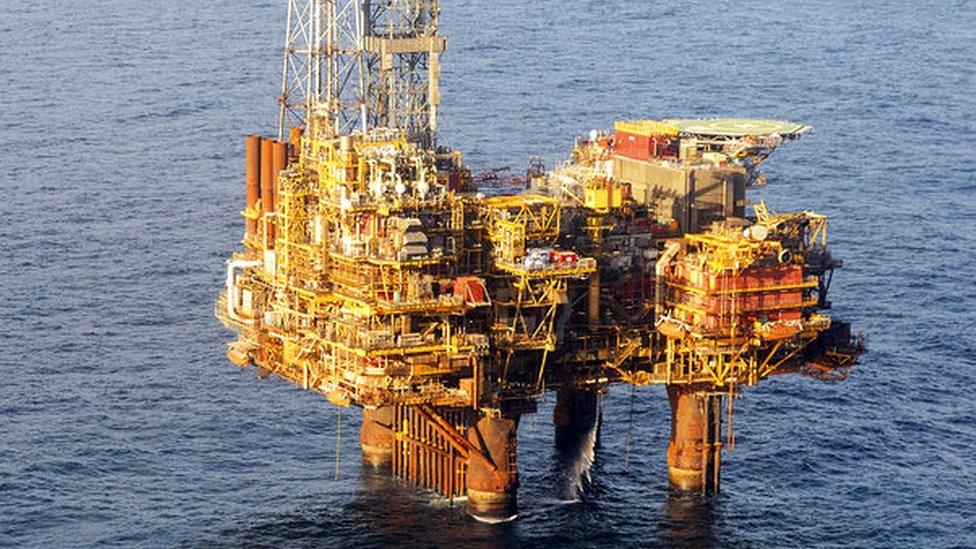

What happened — the 2017 incident on Brent Charlie
- On 19 May 2017, a section of pipework — the “Return Oil Line (ROL)” inside a “Concrete Leg Column 4” on Brent Charlie — failed. (Aberdeen Business News)
- That pipework had been installed as a temporary carbon-steel spool, meant for short-term use and scheduled for removal in 2010 — but it was left in place for seven years and suffered internal corrosion. (STV News)
- When it finally failed, the release was substantial: around 200 kg of gas and 1,550 kg of crude oil — totalling over 1.7 tonnes of hydrocarbons. (upday News)
- The hydrocarbon release happened inside a confined concrete leg of the platform. Combined with failed ventilation equipment (fans meant to extract or dilute gas), this created a “potentially catastrophic explosive and flammable mixture.” (The Standard)
- At the time, there were 176 people on board — the release placed all of them at risk of explosion or asphyxiation if the hydrocarbon-rich atmosphere ignited or built up dangerously. (STV News)
In short: what should have been a temporary, short-term line became a long-term hazard — and the combination of pipe corrosion + faulty ventilation turned it into a major safety risk.
Legal Outcome — Guilty Plea & Fine
- In November 2025, a court — Aberdeen Sheriff Court — sentenced Shell UK after it pleaded guilty to two charges under the Offshore Installations (Prevention of Fire and Explosion, and Emergency Response) Regulations 1995 (PFEER). (The Independent)
- The court imposed a fine of £560,000. (upday News)
- In court remarks, the judge (Sheriff Ian Duguid) said Shell “ought to have recognised that the temporary carbon-steel spool was not suitable for such a line” and should have replaced it rather than let it remain. (Yahoo News)
What Regulators & Experts Say — Why It Matters
- The enforcing regulator, Health and Safety Executive (HSE), called the release “the largest uncontrolled hydrocarbon release reported on the UK Continental Shelf in 2017.” (STV News)
- HSE offered a strong warning for the industry: the case “highlights the importance of … reviewing management-of-change processes for temporary spools and their subsequent removal, strengthening inspection regimes to identify potential internal corrosion, and ensuring safety-critical equipment (like ventilation) is properly maintained.” (upday News)
- According to HSE Offshore Inspector Dozie Azubike, had anyone been in the leg when the release occurred — or had the gas ignited — the consequences could have been “catastrophic,” including explosion, fire, or fatalities. (STV News)
In short: this isn’t a technicality — the incident posed real life-and-death risks for hundreds of workers, and thus the case has become a warning to the whole offshore industry about maintenance and safety-governance failings.
Reactions & Wider Context (History & Oversight)
- From the court’s perspective, the failure to replace unsuitable “temporary” pipework — and to maintain ventilation and safety-critical equipment — constituted gross neglect of duty. (Yahoo News)
- From regulator / inspector side: the incident triggered calls for stricter inspection regimes and more vigilant “management of change” procedures across offshore facilities. (upday News)
- Industry analysts and some observers note this case draws attention to a recurring problem: temporary fixes being left in place long-term. For many in the offshore-oil & gas sector, this is seen as evidence a deeper safety culture review is needed — not just on one rig, but across companies with legacy installations. (Royal Dutch Shell Plc .com)
- For workers and unions, the fine and its publicity may strengthen calls for stricter oversight, more transparency in maintenance logs, and better protections for personnel — especially on older or “legacy” offshore platforms.
What to Watch — Implications & Aftermath
- Industry-wide audits & maintenance reviews: Regulators may demand companies review all “temporary” or legacy pipework/spoolings, ensure proper removal or upgrading, and overhaul inspection regimes — especially where corrosion or replacement has been postponed.
- Potential regulatory / legislative changes: This high-profile case could lead to tighter regulations or enforcement under PFEER (or successor regulations), with more frequent inspections and heavier penalties for non-compliance.
- Pressure on other operators with old platforms: Other offshore operators may face scrutiny — if they have legacy installations with similar temporary fittings — leading to pre-emptive maintenance to avoid lawsuits or fines.
- Industry safety culture spotlight: The case highlights the need for companies to treat “temporary” fixes as temporary — and to proactively manage change rather than leave stop-gaps indefinitely.
- Here are clear case studies and expert-style commentary based on the incident in which Shell UK was fined for “potentially catastrophic” pipework fire-safety risks on the Brent Charlie platform.
(Information sourced from current UK news reports via BBC-equivalent coverage, STV News, The Independent, and HSE case summaries.)
Case Studies & Commentary: Shell UK Fine Over Fire-Safety Risks
CASE STUDY 1 — The Temporary Pipework That Became a Major Hazard
What Happened
- A pipe section known as a temporary carbon-steel spool was installed on the Brent Charlie platform.
- It was supposed to be short-term and scheduled for removal in 2010, but it remained in place for seven more years.
- Over time, internal corrosion weakened the pipe.
Why It Was Dangerous
- On 19 May 2017, the corroded pipe failed and released over 1.7 tonnes of hydrocarbons (gas + crude oil) inside a confined concrete platform leg.
- Ventilation fans meant to disperse gas were not working, allowing flammable gas to accumulate.
Commentary
This case highlights a common offshore-industry problem:
“Temporary” engineering solutions often become permanent through neglect, creating long-term safety blind spots.
It shows the importance of strict management-of-change processes, where temporary equipment must be tracked and removed on time.
CASE STUDY 2 — The Ventilation System Failure
What Happened
- Safety-critical ventilation equipment — including extraction fans — were inoperative at the time of the leak.
- This meant gas had nowhere to disperse, creating a trapped, explosive atmosphere.
Why Regulators Saw This as Serious
- Under UK PFEER (Prevention of Fire and Explosion) regulations, ventilation systems must always be operational.
- The failure meant 176 workers on board were exposed to potential explosion risk.
Commentary
Offshore installations rely on multiple layers of safety.
Here, two layers failed at once:- The corroded pipework
- The faulty ventilation system
Layered safety design only works if each layer is maintained — a major lesson for the broader sector.
CASE STUDY 3 — The Hydrocarbon Release Incident (2017)
What Happened
- Around 200 kg of gas and 1,550 kg of crude oil leaked inside “Concrete Leg 4.”
- If an ignition source had been present, experts say the result could have been catastrophic.
How Authorities Responded
- Shell pleaded guilty to two health-and-safety offences.
- The company was fined £560,000 in Aberdeen Sheriff Court.
Commentary
The size of the fine reflects two things:
- The seriousness of the potential outcome
- A desire by regulators to send a message about long-term risk management
Although no one was harmed, the incident is classified as a “near miss with major accident potential.”
CASE STUDY 4 — Comparisons With Historic North Sea Failures
Context
Analysts compared the Brent Charlie case with older Shell incidents, such as Brent Bravo (2003), where safety culture failures were identified.
Commentary
This comparison is meaningful because it shows systemic challenges in maintaining aging offshore infrastructure.
Old platforms require progressive replacement of temporary or outdated parts — and ignoring that creates repeated risk.The industry takeaway:
Legacy installations cannot rely on “short cuts” or old equipment. Modern standards must be applied consistently.
CASE STUDY 5 — Worker Safety & Emergency Preparedness
What Happened
- Emergency response systems were not fully effective because the ventilation (a key fire-prevention measure) didn’t function.
- Workers inside or near the leg could have been exposed to dangerous atmospheres.
Commentary
This case reinforces the need for:
- Regular emergency system testing
- Detailed hazard-area mapping
- Ensuring access routes and muster points remain safe
The regulator’s message: physical infrastructure is only half the story — the other half is verifying that all emergency equipment works when needed.
Expert Commentary: What This Means for the Industry
1. Ageing Infrastructure Is Becoming a Growing Challenge
North Sea platforms are decades old. Many require extensive upgrades, not patch-ins or temporary fittings left in place.
2. Temporary Solutions Must Be Strictly Controlled
If an item is temporary, there must be a removal deadline and accountability. The Shell case shows how easily temporary fixes get forgotten.
3. Safety-Critical Equipment Should Never Be Allowed to Fail
Ventilation fans, sensors, and shutdown systems need constant inspections and functional testing.
4. Regulators Are Increasingly Intolerant of “Near Misses”
Even though no one was injured, the circumstances justified a substantial fine.
This signals to other operators that potential hazards — not only actual harm — bring consequences.5. Safety Culture Must Be Proactive, Not Reactive
The incident occurred because early signs of corrosion and equipment failure weren’t addressed in time.