
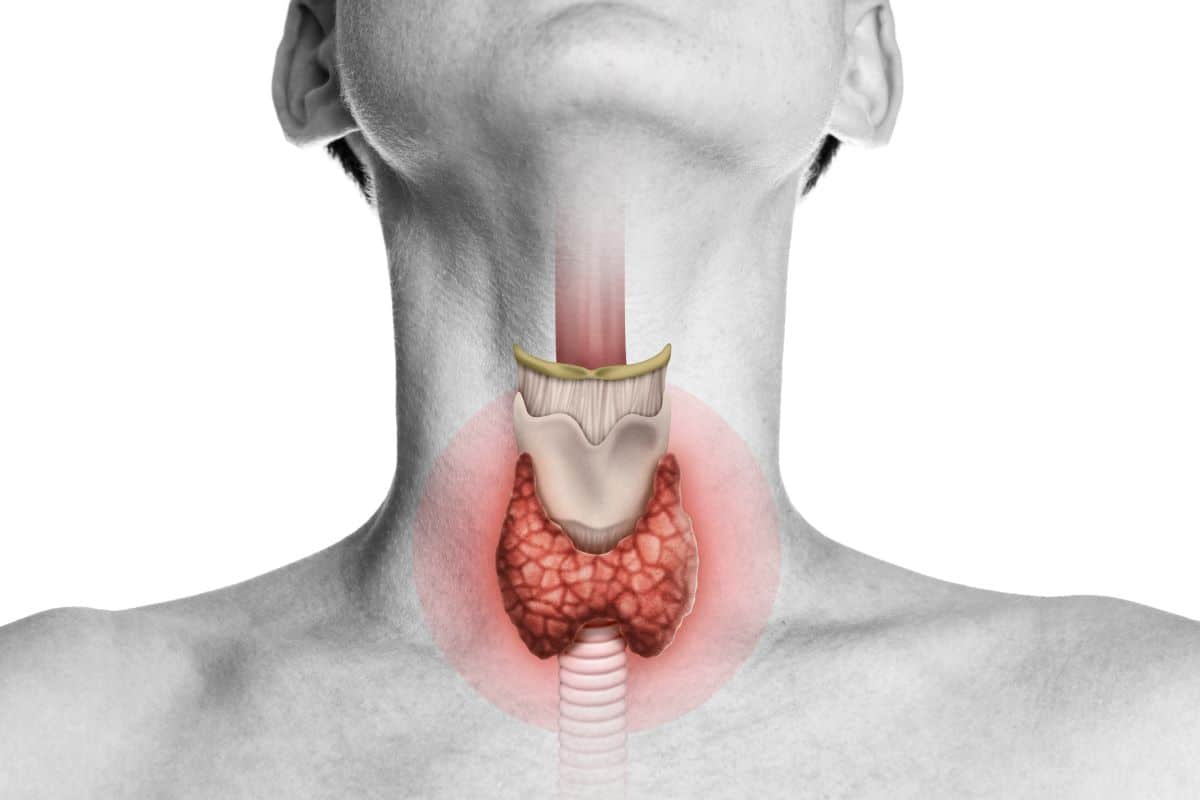
If you’ve never heard of parathyroid glands, you’re not alone. These tiny glands, located in your neck near the thyroid, are easy to overlook—but they play a huge role in your body. They help control calcium levels, which are essential for strong bones, healthy nerves, and proper muscle function. Sometimes, these glands can become overactive, causing a condition known as hyperparathyroidism. The most effective way to treat this is through a parathyroidectomy, a surgical procedure to remove one or more problematic glands.
In this article, we’ll break down what parathyroidectomy is, why it’s needed, and what to expect before, during, and after the surgery.
What is Parathyroidectomy?
A parathyroidectomy is a surgery performed to remove overactive parathyroid glands. Most people have four of these glands, each about the size of a grain of rice. Despite their small size, they control calcium levels in the blood.
When a gland becomes enlarged or develops a tumor, it can release too much parathyroid hormone. This pulls calcium from your bones into your bloodstream, which can weaken bones, affect your kidneys, and cause other health issues. Removing the affected gland restores balance, allowing the remaining glands to regulate calcium properly.
Why Parathyroidectomy is Needed
Hyperparathyroidism can cause a range of symptoms, many of which are subtle and easy to ignore. These may include:
- Fatigue and low energy
- Muscle weakness or aches
- Bone pain or fractures
- Kidney stones
- Brain fog or difficulty concentrating
Doctors recommend parathyroidectomy not only to relieve these symptoms but also to prevent long-term complications. If left untreated, high calcium levels can damage bones, kidneys, and other organs. Surgery is often the most reliable way to restore health and prevent further complications.
How the Surgery Works
Parathyroidectomy is usually performed by a surgeon who specializes in the head and neck. The goal is to identify the overactive gland and remove it while leaving healthy glands intact. Here’s what typically happens:
- Preoperative Testing: Your doctor will order blood tests, scans, or ultrasounds to locate the abnormal gland.
- Anesthesia: The surgery is performed under general anesthesia, so you will be asleep and pain-free.
- Surgical Procedure: A small incision is made in the neck, and the surgeon carefully removes the overactive gland. Some cases may require minimally invasive techniques.
- Recovery: Most patients spend a few hours in recovery and may go home the same day or the next day, depending on the complexity of the surgery.
The procedure is highly successful, and most patients experience relief from symptoms quickly.
Recovery and Aftercare
Recovery after parathyroidectomy is generally smooth. Some tips to support healing include:
- Keep the incision clean and dry
- Avoid heavy lifting or strenuous activity for a few weeks
- Follow your doctor’s instructions on diet and calcium supplements, if needed
- Attend follow-up appointments to monitor calcium levels
Many patients notice improvements in energy, mood, and overall well-being soon after surgery. Long-term follow-up ensures that the remaining parathyroid glands are functioning properly.
Risks and Considerations
Like any surgery, parathyroidectomy carries some risks. These are usually minimal but can include:
- Temporary hoarseness or voice changes
- Low calcium levels after surgery
- Bleeding or infection at the incision site
Your surgeon will discuss all potential risks and how they are managed. Choosing an experienced specialist significantly reduces the likelihood of complications.
Conclusion
A parathyroidectomy is a life-changing procedure for people with overactive parathyroid glands. By addressing the root cause of hyperparathyroidism, it restores balance to your body’s calcium levels, relieves symptoms, and prevents long-term complications.
If you or a loved one are experiencing unexplained fatigue, bone pain, or other related symptoms, consult a qualified ENT or endocrine surgeon. Understanding parathyroidectomy and how it works can empower you to make informed decisions about your health.