
Mid Sized Islands for Resort Development & Investment
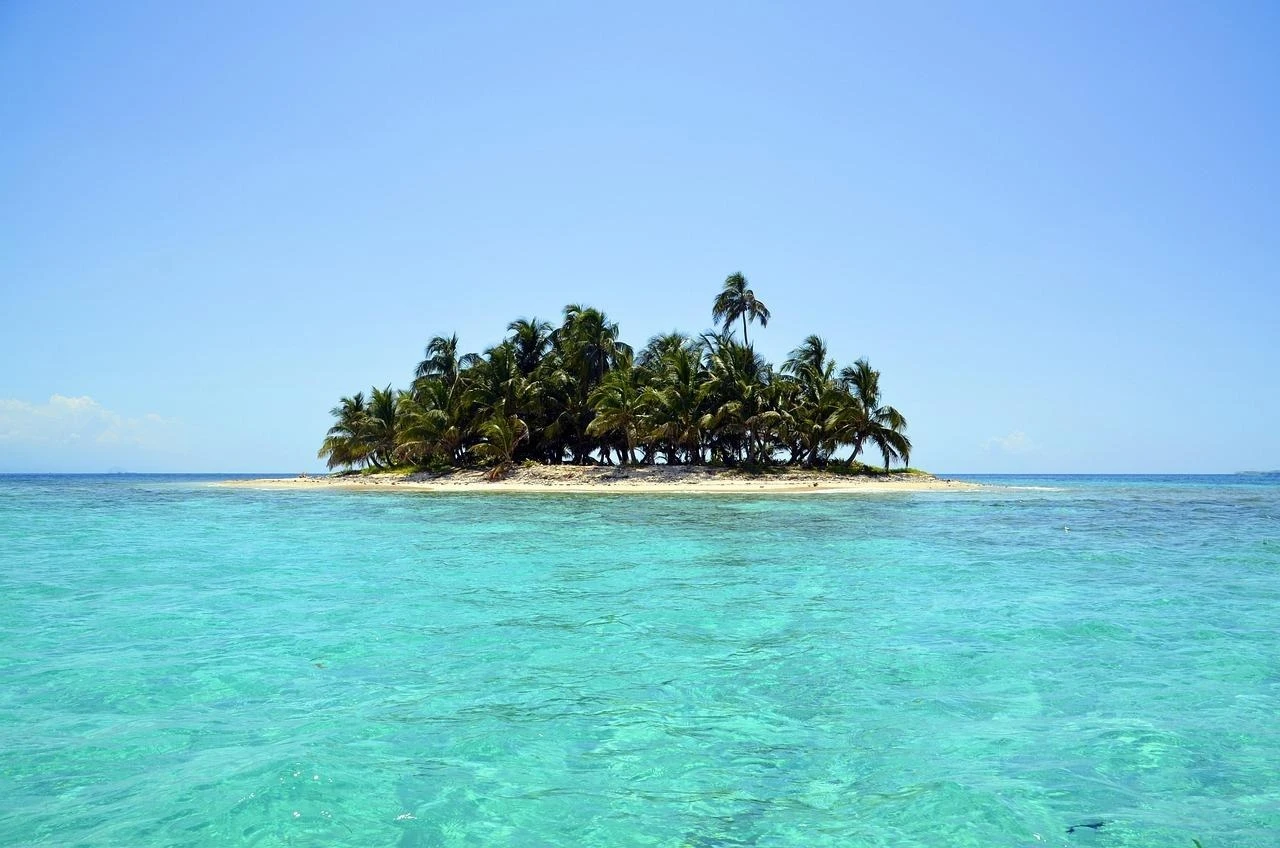
Mid-sized private islands (roughly 20–200 acres) hit a sweet spot: large enough for serious development or a private compound, but manageable in cost, permitting, and operations. Interest has surged—especially in the Bahamas—where pricing typically runs from about £2–30M depending on access, beaches, dock depth, permits, and existing infrastructure. Compared with tiny islets or vast archipelagos, this size class offers the best mix of privacy, developability, and time-to-market.
Best regions
Bahamas (Caribbean leader). Calm waters, investor-friendly rules and proximity to the U.S. put the Exumas and Berry Islands at the top. A lightly developed 100-acre island may list around £5–20M. Runways, deep-water docks and wide sandy beaches command premiums.
Southeast Asia. Indonesia’s Anambas Archipelago stands out for hurricane-free conditions, world-class reefs, and improving access (private seaplane from Singapore ~90 minutes). Early-stage markets offer compelling value vs. mature Caribbean peers.
Mediterranean. Scarcer supply (e.g., Greece, Croatia) but strong cachet; prices can run 30–40% higher than comparable Caribbean assets due to European proximity and prestige.
Emerging options. Fiji’s northern islands (increasingly open to foreign buyers), Panama’s Bocas del Toro, Belize, and Vietnam’s Ha Long Bay are all on the watchlist.
Golden rule—access. Values drop 15–25% if transfers take over an hour by boat from an international airport. For resorts, swift year-round access is non-negotiable.
How islands are valued
Beyond location, five levers move price:
- Status of works. “Turnkey” or pre-permitted islands price at 3–4× raw, undeveloped land thanks to saved time and reduced risk.
- Dock depth & yachting access. Deep channels can add 20–30%.
- Beach quality. If >50% of shoreline is soft, swimmable sand, expect up to a 40% premium.
- Topography. High points for views plus flat buildable zones equals optimal planning flexibility.
- Seasonality. Peak listing/transaction values in the Caribbean are Jan–Apr; hurricane season can yield negotiability.
Infrastructure essentials
Utilities are the biggest budget swing and the main determinant of delivery timelines.
- Water. Options include reverse osmosis (capital-heavy, suited to larger loads), rainwater harvesting (low OPEX; best as a supplement), or temporary importation during works.
- Power. Solar + batteries now cover up to ~80% of needs; generators or submarine cables fill gaps.
- Connectivity. Modern guests expect high-speed internet; satellite systems (e.g., Starlink) have become a leveller for remote sites.
- Waste. Biological treatment protects lagoons and reefs—and is increasingly mandated.
- Maritime works. Build deep-water docks early; channel dredging, if required, adds time, cost, and permits.
Legal & regulatory
Frameworks vary widely:
- Tenure. Some jurisdictions allow freehold; others offer long-term leasehold (often decades up to ~100 years via investment structures).
- Permits & EIA. Expect full environmental impact studies, marine protection plans, utility sustainability, and development caps (commonly 20–30% of land). Islands with permits in place trade 30–40% higher.
- Taxes & insurance. The Bahamas is notably favourable on income/capital gains and annual taxes; other regions impose a mix of stamp duties, VAT, or ongoing levies.
- Title insurance. Now available via specialist providers, adding comfort for lenders and equity partners.
Development models & limits
Typical planning density is 0.5–1.5 keys/acre (e.g., up to ~150 rooms on 100 acres), balancing privacy with viable scale. The contemporary playbook favors mixed-use (hotel + branded villas/residences/fractional) to diversify revenue and accelerate payback. Masterplans often allocate ~15–20% to accommodations, 8–12% to utilities, 10–15% to leisure, 5–8% to staff, and 50–60% to preserved green space. Phasing (start at 30–40% capacity) lowers risk. Account for 30–45% cost uplift vs. mainland builds due to logistics; prefab/modular methods help compress time and budget. Staff housing is critical—many teams are island-based.
Financing & incentives
Conventional mortgages are rare. Expect 50–70% equity up front; seller financing is sometimes available. With permits and a reputable operator, banks may extend construction loans up to ~65% of cost. Larger projects frequently use joint ventures (land + development expertise). Incentive schemes (e.g., Bahamas Hotels Encouragement Act; programs in Fiji, Indonesia, parts of the Caribbean) can materially reduce duties and capex.
Returns & operations
Luxury eco-resorts can target 35–45% operating margins with nightly rates often >£1,000. From purchase to stabilised operations usually takes 7–10 years; land often represents ~25% of total capex. Illustrative return profiles:
- Pure hotel: 7–9 yrs to stabilise, 12–18% IRR, capital-intensive.
- Mixed use: 5–7 yrs, 18–25% IRR, high capex.
- Residential club: 3–5 yrs, 22–30% IRR, moderate capex.
- Land banking/subdivision: 8–12 yrs, 15–20% IRR, lower capex.
Expect high payroll/logistics loads and strong seasonality (as much as 70% of revenue in high season). Conservative cash management is essential.
Sustainability imperatives
Regulators and luxury guests demand low-impact design: solar + batteries (up to ~90% self-generation), advanced water systems (including atmospheric harvesting), reef and habitat protection, modular buildings, helical piles, and recoverable foundations. Many projects now seek carbon-neutral operation and publish metrics—boosting both marketability and resilience.
Proof points & outlook
Case studies—from Little Whale Cay and Hummingbird Cay in the Bahamas to Bawah Reserve (Indonesia) and Song Saa (Cambodia)—demonstrate the impact of access, infrastructure, and phased expansion on rates and occupancy. Looking ahead, demand should rise for permitted, shovel-ready assets, resilient (hurricane-sheltered) geographies, reliable high-speed internet, and branded residence hybrids. Expect longer regulatory timelines (often 4–6 years to opening), growing institutional capital, and continued appreciation (~5–8% p.a. for best-in-class).
Bottom line
Mid-sized islands combine the scale to create something extraordinary with the control to deliver it well. For investors exploring a Mid Sized Islands Sale, it’s essential to prioritise access, bankable infrastructure, and sustainability; adopt phased, mixed-use plans; and align capital with permitting reality. For buyers who value discretion, flexibility, and “wow,” this category remains one of the most compelling plays in global luxury real estate.