
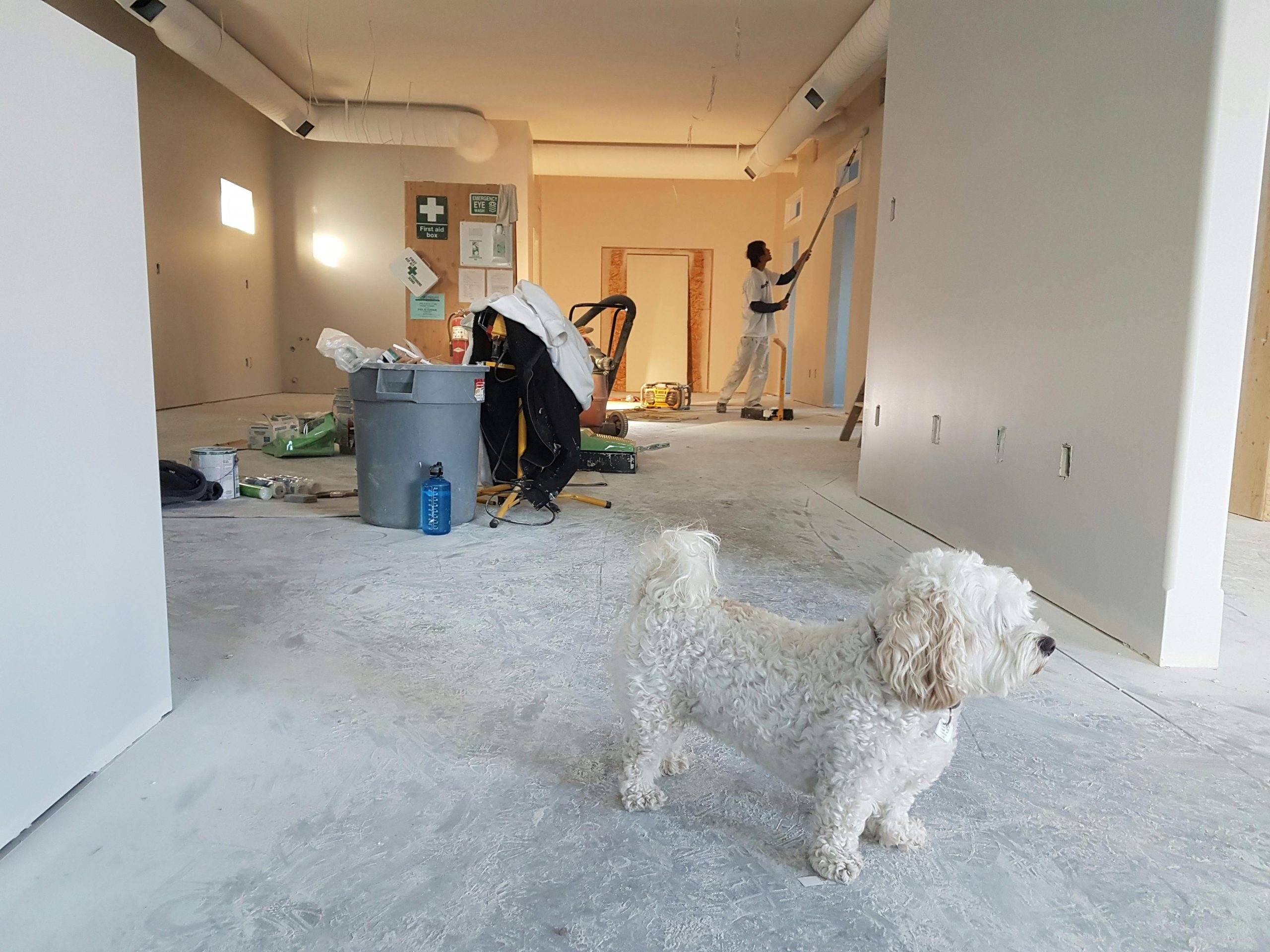
Home renovation projects are exciting—they transform your living space and add long-term value to your property. But along with new floors, fresh paint, or updated kitchens comes a less glamorous reality: waste. From old drywall and flooring to packaging and debris, renovation waste can quickly become overwhelming if it’s not managed properly.
Efficient waste management isn’t just about keeping your site clean. It saves time, reduces stress, improves safety, and can even lower overall project costs. Whether you’re a homeowner tackling a DIY remodel or working with contractors, here’s a practical, people-first guide to managing waste efficiently during home renovation projects.
Understand the Types of Renovation Waste You’ll Generate
The first step in managing waste is knowing what you’re dealing with. Different renovation projects produce different types of debris, and each may require a specific disposal approach.
Common renovation waste includes:
-
Drywall, plaster, and insulation
-
Wood, cabinets, and framing materials
-
Flooring (tile, carpet, laminate, hardwood)
-
Fixtures, appliances, and hardware
-
Packaging from new materials
By identifying waste types early, you can plan disposal methods more effectively and avoid last-minute surprises.
Plan Waste Management Before Renovation Begins
Waste management works best when it’s planned, not reactive. Before demolition starts, think through how debris will be handled from day one.
Key planning steps include:
-
Estimating how much waste your project will produce
-
Choosing where waste will be stored temporarily
-
Scheduling disposal or pickup times
-
Coordinating with contractors or helpers
Having a clear plan keeps your renovation moving smoothly and prevents clutter from slowing progress.
Separate Materials Whenever Possible
Sorting waste may seem like extra work, but it often saves time and money in the long run. Separating materials makes disposal more efficient and allows for recycling or reuse where possible.
Consider separating:
-
Wood and clean lumber
-
Metal fixtures and scrap
-
Concrete, brick, or tile
-
General mixed debris
Even partial sorting can reduce landfill waste and make cleanup far easier at the end of the project.
Prioritize Recycling and Responsible Disposal
Many renovation materials don’t need to end up in a landfill. Recycling and responsible disposal reduce environmental impact and may even lower disposal costs.
Items often accepted for recycling include:
-
Metal
-
Clean wood
-
Cardboard and packaging
-
Certain appliances and fixtures
Check local recycling guidelines ahead of time so you know what can be diverted from regular trash.
Keep the Job Site Clean and Safe
Efficient waste management is closely tied to safety. Piles of debris increase the risk of trips, falls, and injuries—especially during active construction.
Best practices include:
-
Clearing debris daily or weekly
-
Keeping walkways and exits unobstructed
-
Using designated waste zones
-
Wearing protective gear during cleanup
A cleaner site helps everyone work more efficiently and reduces the likelihood of accidents.
Use the Right Disposal Solution for Your Project Size
Not all renovation projects generate the same amount of waste. Choosing the right disposal solution is essential for efficiency.
Small projects may only require:
-
Heavy-duty trash bags
-
Scheduled curbside pickups
Larger renovations often benefit from temporary waste containers that can handle bulky debris and heavy materials. Contractors and homeowners alike trust Ready2Roll Off for dumpster rental in Edmond OK on cleanup and renovation projects.
Having an appropriate disposal option on-site reduces downtime and eliminates repeated trips to disposal facilities.
Schedule Waste Removal Strategically
Timing matters when it comes to waste removal. Waiting too long can overcrowd your workspace, while removing waste too early may create unnecessary costs.
Strategic timing tips:
-
Schedule removal after major demolition phases
-
Coordinate with material delivery schedules
-
Avoid blocking driveways or access points
A well-timed cleanup schedule keeps your renovation organized and efficient from start to finish.
Reduce Waste at the Source
One of the most overlooked strategies is reducing waste before it’s created. Thoughtful planning and purchasing can significantly cut down on excess debris.
Ways to reduce waste include:
-
Ordering materials accurately
-
Reusing cabinets or fixtures when possible
-
Donating usable items
-
Avoiding unnecessary demolition
Less waste means lower disposal costs and a more streamlined renovation process.
Communicate Clearly With Contractors and Helpers
If multiple people are involved in your renovation, communication is critical. Everyone should understand where waste goes and how cleanup is handled.
Make sure to:
-
Set clear expectations upfront
-
Label disposal areas clearly
-
Assign responsibility for cleanup
-
Review waste procedures regularly
Clear communication prevents confusion and keeps the project running efficiently.
Don’t Underestimate Final Cleanup
Final cleanup often takes longer than expected. Dust, small debris, and leftover materials can linger even after major work is complete.
Plan time for:
-
Sweeping and vacuuming
-
Removing remaining materials
-
Disposing of leftover supplies
-
Inspecting the site for hazards
A thorough final cleanup ensures your newly renovated space is safe, functional, and ready to enjoy.
Final Thoughts: Efficient Waste Management Makes Renovations Easier
Home renovations are demanding enough without the added stress of unmanaged waste. By planning ahead, sorting materials, prioritizing safety, and using the right disposal solutions, you can keep your project organized and on track.
Efficient waste management isn’t just about cleanliness—it’s about protecting your time, budget, and peace of mind. When handled thoughtfully, cleanup becomes a seamless part of the renovation process rather than an afterthought.
The takeaway: managing renovation waste efficiently helps you focus on what really matters—creating a better, more comfortable home.