
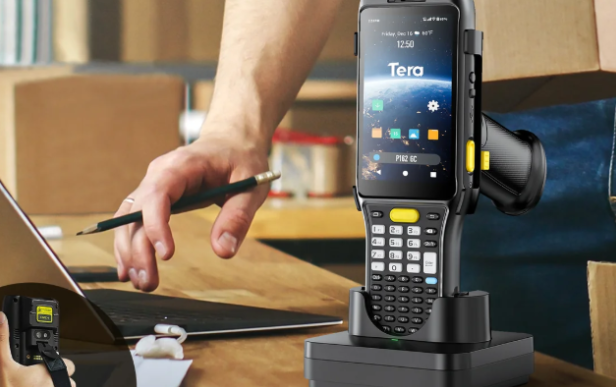
Accurate inventory management is the bedrock of an efficient warehouse. A single error in stock levels can cascade into backorders, lost sales, and inflated operational costs. To combat these issues, many businesses have moved from disruptive annual physical inventories to cycle counting, a method of regularly counting small portions of stock. While this approach is a step forward, its true potential is unlocked through the integration of mobile technologies, which transform the process by enabling real-time data capture, boosting accuracy, and lowering labor costs.
The Shortcomings of Manual Cycle Counting
Traditional cycle counting relies heavily on manual processes. Staff use paper printouts and clipboards to record stock levels, an approach that is inherently slow and resource-intensive. Workers must walk to assigned locations, count items by hand, and then return to a central workstation to manually enter the data into a system. This workflow is burdened with inefficiencies and opportunities for error.
The manual process is a significant drain on productivity. It consumes valuable work hours that could be allocated to revenue-generating tasks like order fulfillment. Furthermore, manual data entry introduces a high risk of inaccuracies. Illegible handwriting, transcription mistakes, or simple typos can corrupt inventory records, undermining the very purpose of cycle counting. As a result, manual counts often deliver subpar accuracy, leaving businesses with unreliable data and a false sense of security.
Transforming Operations with Warehouse Mobility
The shift from manual paper-based systems to mobile technology represents a significant leap forward for inventory management. By equipping staff with mobile devices, warehouses can automate and streamline the cycle counting process, turning a labor-intensive necessity into a strategic advantage. This modernization addresses the core weaknesses of manual methods and delivers substantial improvements in efficiency and reliability.
Boosting Efficiency with Real-Time Updates
One of the most significant benefits of using mobile devices is the ability to achieve real-time updates. When an employee scans a barcode and confirms a quantity, the data is transmitted instantly to the central Warehouse Management System (WMS). This eliminates the lag time associated with manual data entry and ensures that inventory records are always current and synchronized with physical stock.
This immediacy is crucial for operational agility. With real-time visibility, managers can make informed decisions based on the most current data available. It prevents scenarios where sales teams sell stock that has just been found to be unavailable or where procurement orders items that are already in the warehouse. Real-time updates create a single source of truth that aligns all departments.
Achieving Superior Inventory Accuracy
Mobile devices dramatically improve inventory accuracy. The use of barcode or RFID scanning removes the guesswork and human error inherent in manual counting and data entry. Instead of writing down numbers and having them typed in later, employees perform a validated transaction directly at the shelf, ensuring the correct item and quantity are recorded every time.
This automated process can elevate inventory record accuracy to near-perfect levels, often exceeding 99%. Such high accuracy builds trust in the data, which is fundamental for effective forecasting, purchasing, and supply chain management. It minimizes discrepancies that lead to stockouts or overstocking, ultimately reducing carrying costs and improving customer satisfaction through reliable order fulfillment.
Reducing Labor Costs and Freeing Up Resources
Automating cycle counting with mobile technology yields a significant reduction in labor costs. A task that might take several hours to complete manually can be finished in a fraction of the time. For example, a six-hour manual count could be reduced to under two hours. This time savings translates directly into lower overhead costs and increased worker productivity.
By simplifying the counting procedure, employees can be re-allocated to more critical tasks. Mobile devices like a handheld mobile computer streamline the workflow, allowing staff to scan items and confirm quantities in a single, fluid motion without leaving their work area. This optimization not only lowers expenses but also improves employee accountability and focus.
The Strategic Value of Mobile Cycle Counting
By adopting mobile technology for cycle counting, organizations do more than just improve a single process; they invest in a more efficient and resilient supply chain and enhance supply chain visibility across inventory operations. The benefits extend beyond the warehouse floor, contributing to better financial performance and a stronger competitive position. Integrating mobile solutions with a WMS allows for continuous improvement by tracking key performance indicators and identifying the root causes of discrepancies. This data-driven approach turns inventory management into a strategic asset that supports long-term growth and operational excellence.