
In large-scale construction, industrial, and infrastructure projects, steel is a foundational material. Its strength, versatility, and durability make it essential for bridges, plants, commercial buildings, and heavy equipment. However, steel’s performance over time depends heavily on what happens before coatings, linings, or finishes are applied. Proper preparation is not just a technical step—it’s a critical factor in safety, longevity, and overall project success.
Steel that is inadequately prepared is far more likely to corrode, fail prematurely, or require costly rework. For project managers, engineers, and contractors, following proven best practices ensures consistent results, compliance with standards, and long-term value.
Why Steel Surface Preparation Matters
Steel surfaces are rarely ready for coating or treatment straight from fabrication or installation. Mill scale, rust, oil, grease, moisture, and environmental contaminants all interfere with adhesion and protection systems.
Effective preparation:
-
Improves coating adhesion
-
Extends the lifespan of protective systems
-
Reduces corrosion-related failures
-
Minimizes maintenance and repair costs
-
Supports safety and regulatory compliance
In large-scale projects, even small preparation mistakes can be multiplied across thousands of square feet of steel, leading to widespread issues later on.
Assessing the Steel and Project Requirements
Every project begins with understanding the condition of the steel and the performance expectations of the finished system. Not all steel requires the same level of preparation, and over- or under-preparing can both be costly.
Key factors to evaluate include:
-
Existing condition (new steel vs. previously coated steel)
-
Degree of rust or corrosion
-
Environmental exposure (marine, industrial, or interior)
-
Coating or lining system requirements
-
Project timeline and access limitations
Standards such as those from SSPC or ISO often define preparation levels, helping teams align expectations across contractors, inspectors, and owners.
Cleaning: The First Critical Step
Before mechanical or abrasive methods begin, steel surfaces must be cleaned of visible contaminants. Oils, grease, salts, and dirt can interfere with abrasive blasting or power tooling and may be driven deeper into the surface if not removed first.
Common cleaning methods include:
-
Solvent cleaning for oils and grease
-
Detergent washing for dirt and residues
-
High-pressure water washing for salts and loose debris
Skipping or rushing this step often results in poor coating performance, even if later preparation appears thorough.
Mechanical and Abrasive Preparation Methods
Once surface contaminants are removed, mechanical preparation creates the profile needed for coatings to bond effectively. The chosen method depends on project scale, site conditions, and required surface cleanliness.
Common methods include:
-
Abrasive blasting (dry or wet) for large areas and high-performance coatings
-
Power tool cleaning for localized areas or maintenance work
-
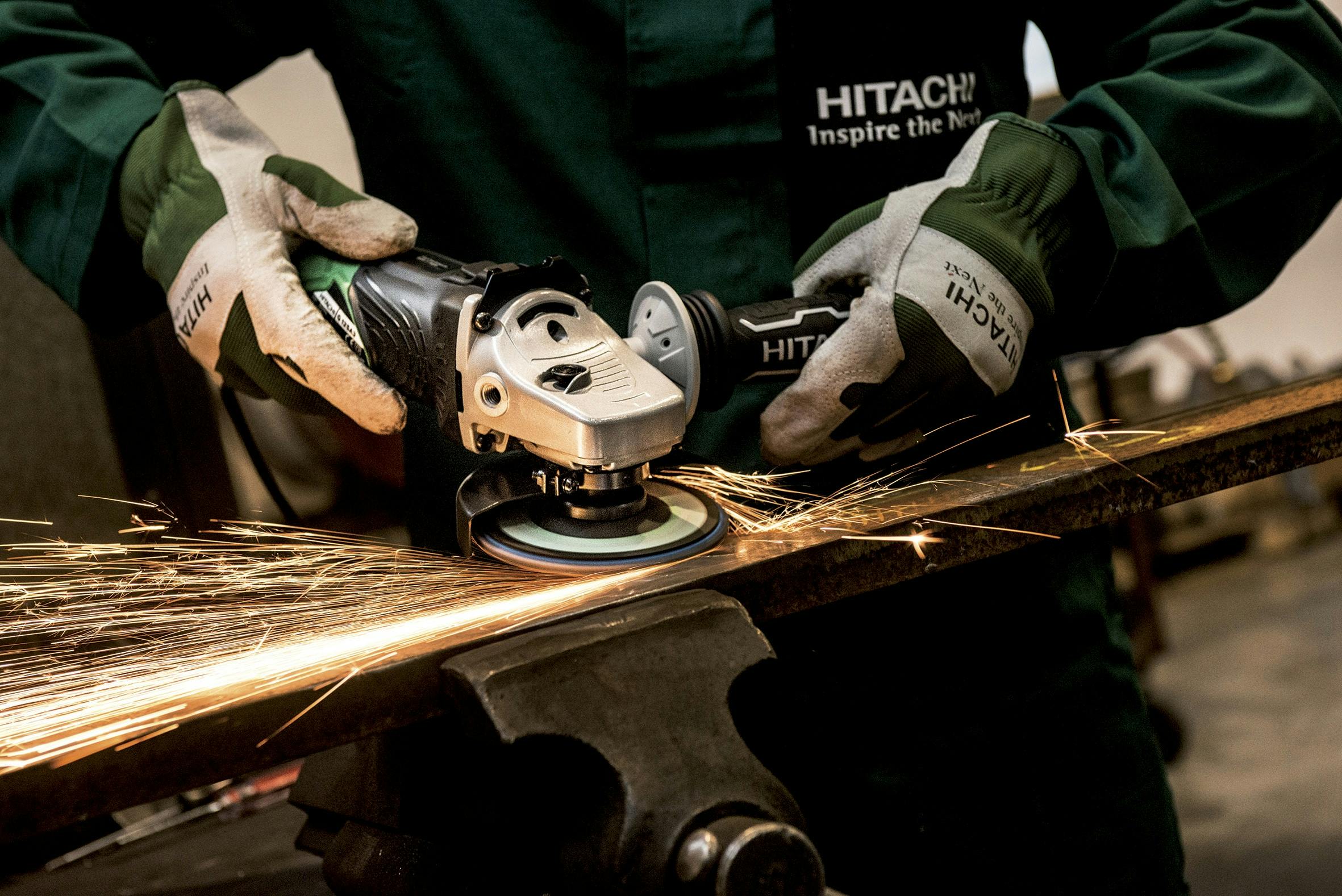
Grinding for welds, sharp edges, and surface irregularities
Abrasive blasting is often preferred for large-scale projects because it provides consistent cleanliness and surface profile. However, it requires careful containment, dust control, and environmental management.
This stage is the heart of effective surface preparation, directly influencing coating adhesion and long-term durability.
Managing Environmental Conditions
Environmental conditions play a major role in preparation quality. Temperature, humidity, and surface moisture can all affect results, especially when working outdoors or in partially enclosed spaces.
Best practices include:
-
Monitoring ambient temperature and relative humidity
-
Ensuring steel temperature stays above the dew point
-
Protecting prepared surfaces from flash rusting
-
Coordinating preparation and coating schedules closely
In large projects, even short delays between preparation and coating can compromise the surface if conditions change.
Addressing Welds, Edges, and Complex Geometry
Steel structures often include weld seams, sharp edges, bolts, and complex shapes that require special attention. These areas are common failure points if not properly prepared.
Effective strategies include:
-
Grinding sharp edges to specified radii
-
Cleaning weld spatter and slag
-
Ensuring uniform preparation in hard-to-reach areas
-
Verifying coverage around fasteners and joints
Consistency is key. A coating system is only as strong as its weakest prepared area.
Quality Control and Inspection
Quality control is essential in large-scale projects where preparation work is performed by multiple crews over extended timelines. Visual inspection alone is not enough.
Quality assurance measures may include:
-
Surface cleanliness verification against standards
-
Profile depth measurement
-
Salt contamination testing
-
Documentation and inspection reports
Clear communication between contractors, inspectors, and project owners helps prevent disputes and ensures that preparation meets specifications before coatings are applied.
Safety Considerations for Large-Scale Projects
Steel preparation can involve hazardous materials, heavy equipment, and confined spaces. Safety must be integrated into planning and execution, not treated as an afterthought.
Important safety practices include:
-
Proper ventilation and dust control
-
Use of personal protective equipment
-
Safe handling and disposal of abrasives and waste
-
Training for specialized equipment and environments
A strong safety culture protects workers and keeps projects on schedule by reducing incidents and downtime.
Long-Term Value of Doing It Right
While proper steel preparation requires time, expertise, and upfront investment, the long-term benefits far outweigh the costs. Well-prepared steel:
-
Performs better under harsh conditions
-
Requires less frequent maintenance
-
Reduces lifecycle costs
-
Enhances structural reliability
In large-scale projects, these benefits translate into measurable financial savings and improved asset performance over decades.
Conclusion: Preparation Sets the Foundation for Performance
Steel surface preparation is not just a preliminary task—it is the foundation upon which the success of coatings, corrosion protection, and structural longevity is built. In large-scale projects, best practices ensure consistency, safety, and durability across every phase of construction and operation.
By assessing conditions carefully, choosing the right methods, controlling the environment, and prioritizing quality and safety, project teams can deliver steel structures that meet performance expectations long into the future. When preparation is done right, everything that follows is stronger, safer, and more reliable.