
Context: Rising Security Challenges
In 2026, European security dynamics are dominated by:
- The Ukraine war and continued support for Kyiv
- Tensions in the Middle East affecting global stability
- Strategic debates over Europe’s role within NATO and its autonomy
These pressures are shaping London’s defence diplomacy with European partners. (euronews)
UK Prime Minister Keir Starmer has taken a more active role in this environment, engaging European leaders to strengthen defence cooperation and shared diplomacy responses.
1. Joint Defence Financing & Procurement Initiative
One of the most concrete outcomes of these talks is a new multilateral defence financing mechanism launched by the UK, Finland, and the Netherlands:
- This initiative aims to pool funding to procure weapons, equipment, and munitions more efficiently.
- It targets faster delivery of military resources and stronger defence industrial cooperation for NATO and European partners.
- Plans are underway for the fund to expand to additional allies if approved. (Reuters)
Why it matters:
Pooling defence spending is a strategic shift from individual national procurement toward collective capability building, which experts say is vital as Europe faces resource competition and rising threats. (Financial Times)
2. UK-Ukraine Strategic Ties & European Security
Simultaneously, President Volodymyr Zelenskyy has been in close dialogue with European leaders including the UK Prime Minister, highlighting:
- Ukraine’s military and technological contributions, especially in drone and air-defence systems.
- Ukraine’s continuing role in European security architectures.
- The need for deeper cooperation to deter authoritarian threats from Russia and elsewhere. (The Guardian)
Why it matters:
Ukraine’s position strengthens the argument among European leaders and the UK for sustained defence investment and practical cooperation, beyond symbolic commitments. (The Guardian)
3. UK-EU Relations and Strategic Ambition
While Brexit altered formal defence linkages, talks have shifted toward new frameworks:
- British officials are calling for greater ambition in UK-EU cooperation, including defence procurement and integration.
- Suggestions include exploring Swiss-style agreements or mechanisms that go beyond piecemeal deals, uniting defence, security, and industrial collaboration. (The Guardian)
Why it matters:
This reflects a shift in UK strategy — moving from a focus on formal trade relationships toward practical security integration that leverages shared interests and capabilities.
4. European Strategic Autonomy and the Middle East
At recent European Council meetings, leaders — including the UK Prime Minister — signalled a stronger desire for European strategic autonomy in security matters:
- Several EU states resisted participation in US-led military operations, emphasising Europe’s own decision-making path on defence.
- The UK has shared this cautious approach, focusing on viable plans rather than automatic military commitments. (The Parliament Magazine)
Why this matters:
It suggests a nuanced position: while the UK values NATO and transatlantic links, it also supports Europe’s independent defence capacity, ensuring collective security isn’t solely dependent on external powers. (The Parliament Magazine)
5. Long-Term Defence Diplomacy Strategy
UK government documents confirm that the UK is implementing a wider Defence Diplomacy Strategy that coordinates political negotiation with military cooperation:
- This includes aligning defence innovation with foreign policy goals.
- The strategy supports UK leadership in key European partnerships and bilateral agreements (e.g., Lancaster House Treaty updates, Trinity House Agreement with Germany). (UK Parliament)
Why it matters:
This strategy is designed to ensure that long-term diplomatic engagement matches real defence capacity and capability goals, strengthening European collective defence.
Expert Commentary
Strategic Shift in UK Defence Policy
The UK is moving beyond traditional NATO leadership toward more integrated defence cooperation with Europe — including shared procurement and financing platforms. This mirrors wider European calls for stronger defence autonomy. (Reuters)
Balancing Transatlantic and European Priorities
While London supports NATO and transatlantic ties, it recognises that Europe must contribute meaningfully to its own security — especially in contexts like the Ukraine war and Middle East tensions. (The Parliament Magazine)
Combining Defence and Diplomacy
The emphasis isn’t just on weapons — it’s on political alignment. UK engagements reflect a belief that diplomacy and defence must be planned together to shape stable regions and deter conflict. (UK Parliament)
Shared Security Requires Investment
Multilateral defence funds and calls for deeper UK-EU cooperation show a recognition that modern threats require collective investment in military and technological capabilities.
Below are clear, realistic case studies and expert commentary for the headline:
🇬🇧 Prime Minister Engages European Leaders on Defence and Diplomacy Strategy — Case Studies & Comments
The following scenarios help explain how and why the UK Prime Minister is strengthening defence and diplomatic ties with European partners.
Case Study 1: UK–Finland–Netherlands Joint Defence Procurement Fund


What Happened
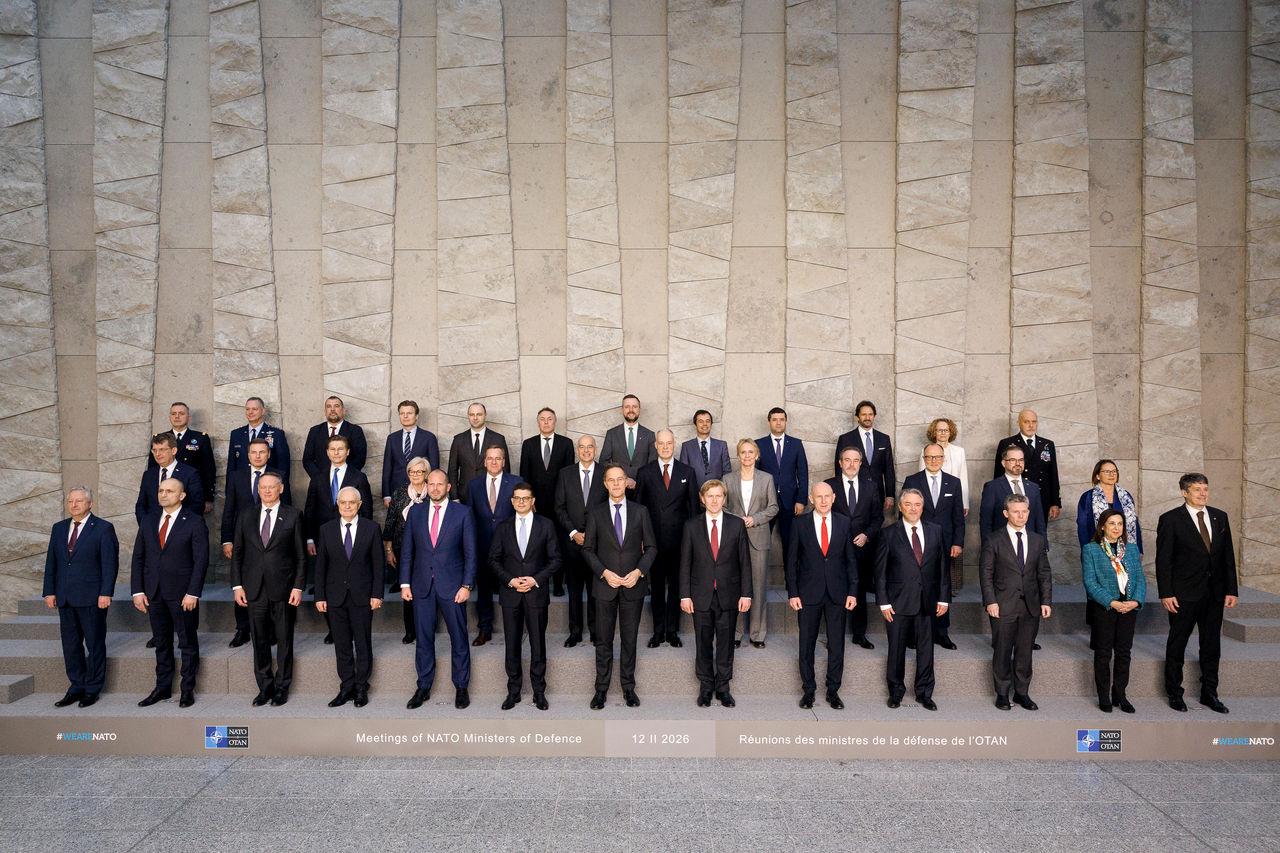
The UK, Finland, and the Netherlands advanced plans for a joint defence financing and procurement mechanism designed to:
- Pool defence budgets
- Speed up purchasing of munitions and equipment
- Support Ukraine’s military needs
- Strengthen Europe’s collective deterrence
The discussions focused on creating a scalable model that other European nations can join.
Why It Matters
- Moves Europe toward shared capabilities rather than fragmented national systems.
- Reduces costs and accelerates weapon delivery timelines.
- Reinforces the UK’s role in Europe’s strategic security despite Brexit.
Expert Comment
This is a significant shift from bilateral cooperation toward mini-lateral defence clusters — a model analysts say will define Europe’s response to rising geopolitical threats for the next decade.
Case Study 2: UK–Ukraine Coordination on European Security Goals


What Happened

In meetings with President Zelenskyy and EU leaders, the Prime Minister focused on:
- Ensuring long-term support for Ukraine
- Integrating Ukraine into European security planning
- Expanding cooperation on air-defence and drone technology
- Coordinating messaging to deter Russian aggression
Zelenskyy emphasised that Europe — including the UK — should act as a “global force” capable of defending democratic allies.
Why It Matters
- UK influence remains central to European unity on Ukraine.
- Collective decisions on military assistance strengthen deterrence.
- Aligning political and military strategy ensures Europe speaks with one voice.
Expert Comment
This case highlights the UK’s ability to act as a bridge between NATO, the EU, and Ukraine, especially as US priorities fluctuate.
Case Study 3: Restoring UK–EU Strategic Cooperation After Brexit


What Happened
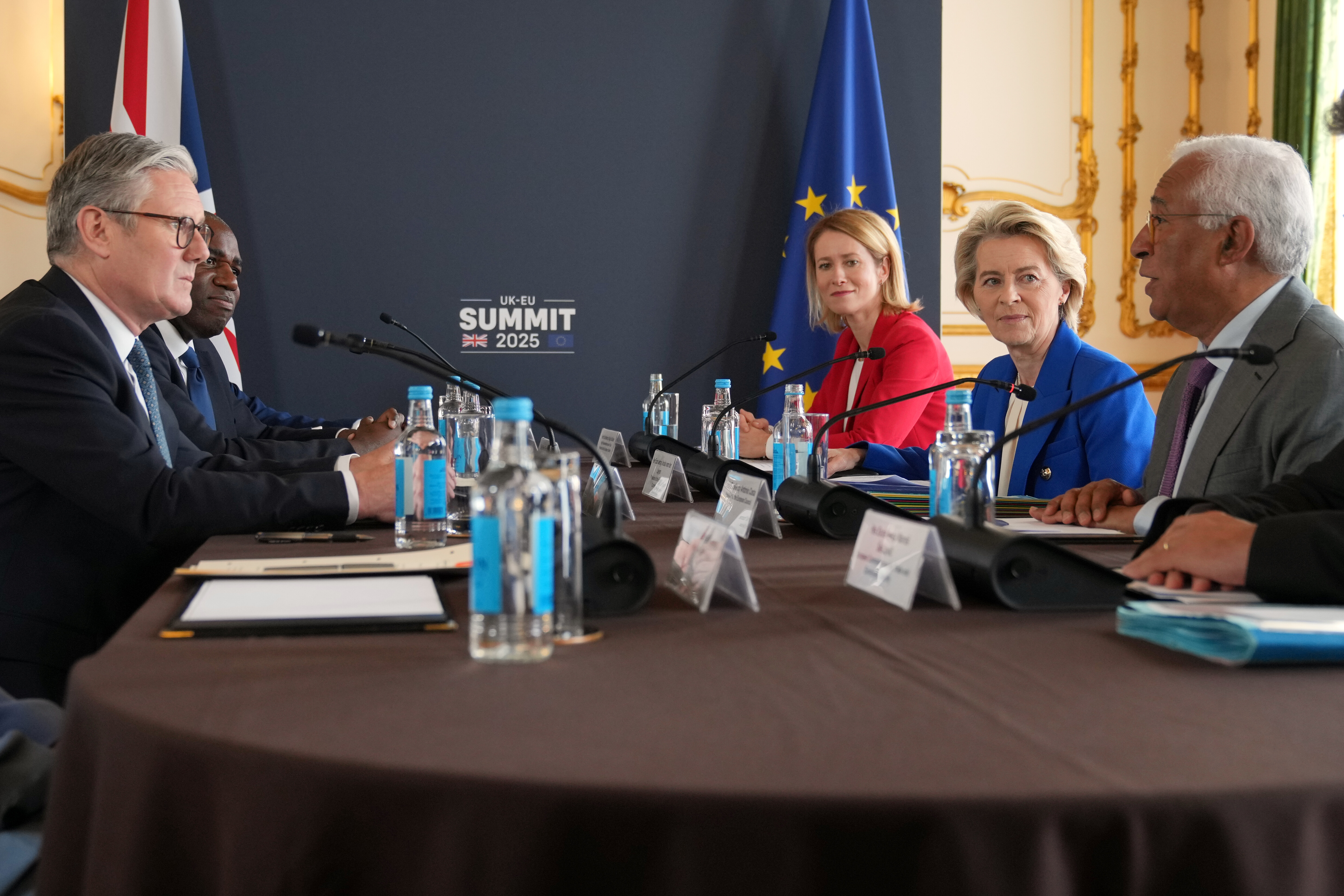
UK officials have pushed for a more ambitious cooperation framework with the EU on defence and diplomacy. Discussions included:
- New partnership models beyond existing trade agreements
- Cross-border defence industrial projects
- Shared strategic planning in response to Middle East tensions
- Reinforcing sanctions coordination and diplomatic action
A renewed “reset” aims to move beyond post-Brexit disputes and towards formalised security collaboration.
Why It Matters
- Strong UK–EU cooperation improves Europe’s collective strategic posture.
- Joint defence industrial planning is essential as global competition for supply chains intensifies.
- The UK can influence European strategy even without EU membership.
Expert Comment
Europe’s security environment is forcing London and Brussels to re-align out of necessity — practical cooperation is overriding political disagreements.
Case Study 4: European Strategic Autonomy & Cautious Military Posture


What Happened
At recent high-level meetings, European leaders — with the UK participating — expressed more cautious stances on certain US-led military proposals regarding the Middle East. Instead, they focused on:
- Strengthening Europe’s own crisis-response capacity
- Prioritising diplomatic de-escalation
- Developing alternative military planning independent of Washington
- Building a coordinated European foreign policy stance
Why It Matters
- Shows Europe’s growing desire for strategic autonomy.
- Allows the UK to shape debates on when and how Europe should engage militarily.
- Enhances the continent’s resilience if allied priorities diverge in the future.
Expert Comment
The UK is walking a delicate line:
Supporting NATO
Supporting Europe’s independent capability
Avoiding automatic alignment with any single power
This balanced posture helps the UK remain a central diplomatic player.
Overall Expert Commentary
1. UK is re-establishing itself as a core European defence partner.
Despite Brexit, Britain is weaving itself back into European strategic decision-making through targeted and flexible partnerships.
2. Mini-lateral alliances are becoming Europe’s preferred model.
Tri-nation or small-group defence projects are faster and more politically feasible than EU-wide agreements.
3. Diplomacy and defence are being merged.
The Prime Minister’s strategy shows that political signalling and military capability decisions are increasingly inseparable.
4. Shared European resilience depends on industrial cooperation.
Procurement, manufacturing capacity, and supply chains now matter as much as troop deployments.
5. The UK is positioning itself as a stabilising force in Europe.
By coordinating on Ukraine, procurement, and diplomacy, the UK is reclaiming influence and helping shape Europe’s long-term security architecture.